How to Declutter Your Home: A Simple Step-by-Step Guide
Learn how to declutter your home with a simple room-by-room plan. Use practical sorting tips to clear space and keep your home neat and organised.

A cluttered living space can make everyday routines feel heavier than they need to be. When countertops are covered, wardrobes are bursting, and finding car keys or kitchen utensils turns into a frustrating scavenger hunt, your home works against you rather than supporting your peace of mind.
Creating an orderly sanctuary does not require throwing out everything you own or dedicating an exhausting weekend to aggressive purging. Real, sustainable decluttering is about making mindful, intentional decisions regarding what you actually use, need, and enjoy having in your space. This room-by-room guide breaks down how to sort belongings without feeling overwhelmed and how to maintain open, peaceful living spaces.
The Golden Rule of Decluttering
Declutter before you organise. Buying decorative baskets and storage bins before eliminating unused belongings only creates neatly organised clutter. Always sort and purge first.
Before You Start: Make a Simple Decluttering Plan
Tackling an entire home at once is a guaranteed path to burnout. The secret to lasting momentum is narrowing your field of vision down to micro-zones that take twenty minutes or less.
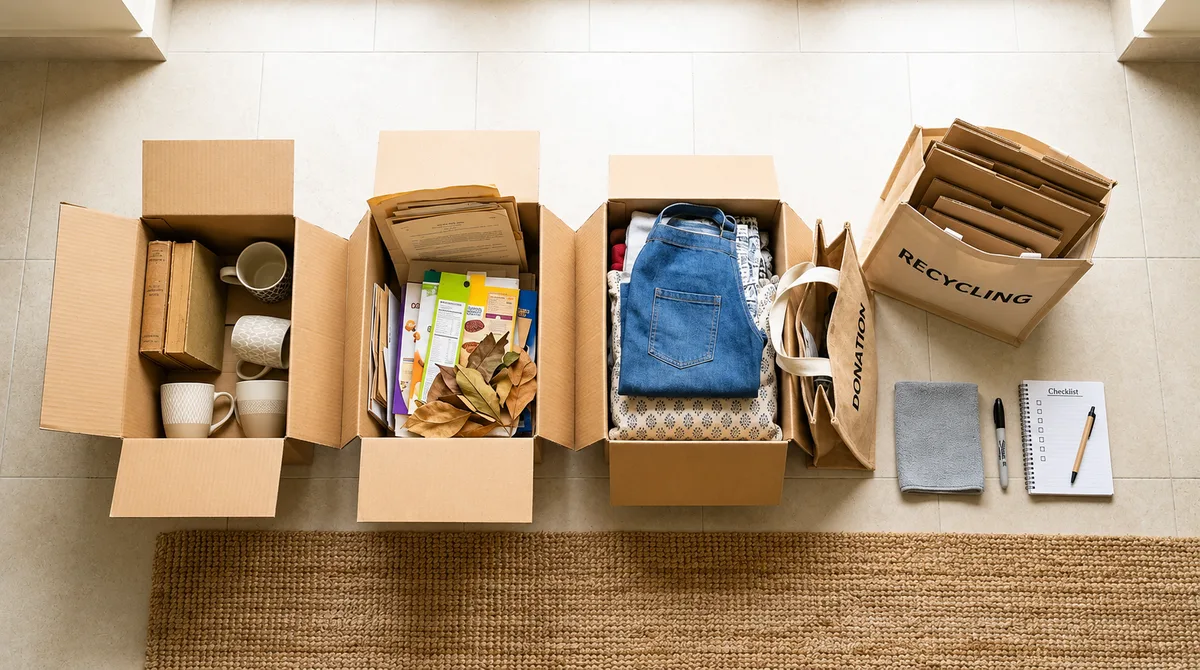
Prepare Your Sorting Station
Before opening a single cupboard, set up your sorting containers in the immediate work zone:
- Keep Box: Items with a clear, active purpose in this specific room.
- Donate Box: Functional items in good condition that someone else can use.
- Relocate Box: Items that belong in another room (to be distributed after the session, not during).
- Recycle / Discard Bag: Broken, expired, or non-repairable items.
- Cleaning Cloth & Vacuum: To wipe down shelves and baseboards while they are empty.
The Four-Box Sorting System
| Category | Definition | Action Rule | Next Step |
|---|---|---|---|
| Keep | Used frequently, fits lifestyle, brings genuine joy | Assign an intuitive, designated home | Store near point of use |
| Donate | Good condition, unneeded, duplicated | Pass forward to charity or friends | Place immediately in car boot |
| Relocate | Belongs in another room or cabinet | Do not leave work area mid-sort | Distribute during final 5 minutes |
| Discard | Broken beyond repair, expired, missing parts | Responsibly recycle or trash | Empty into recycling bin today |
How to Declutter Your Home Step by Step
Follow this consistent four-step workflow across any closet, drawer, or bookshelf to avoid second-guessing yourself.
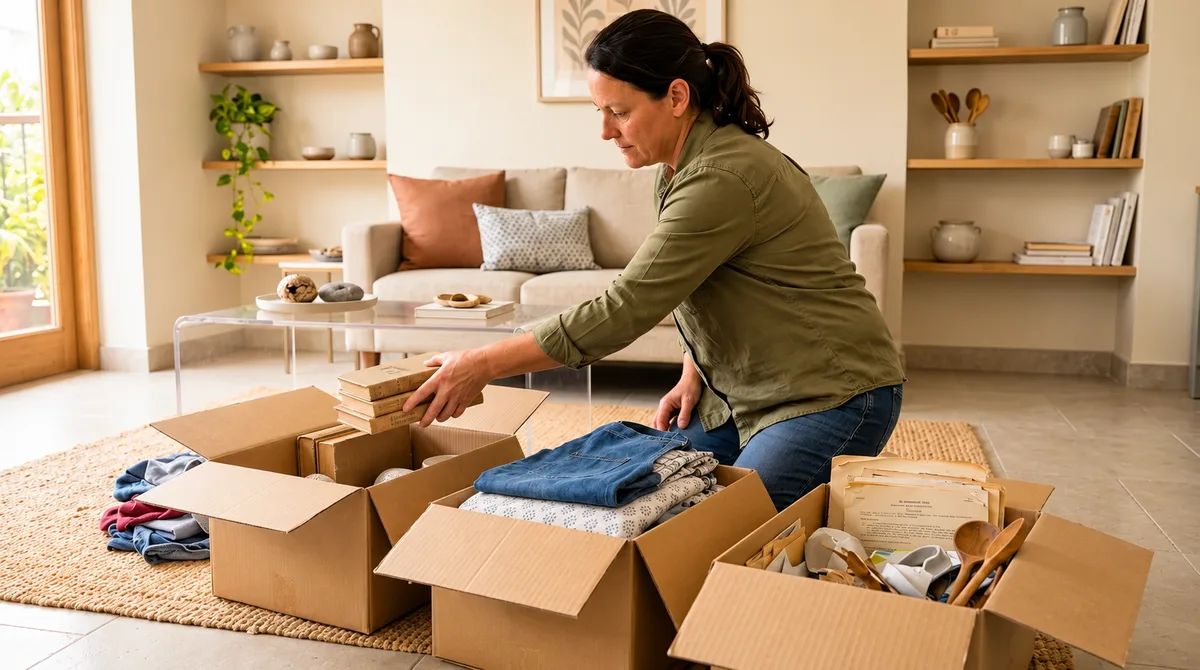
1. Start with One Bounded Micro-Area
Choose one bedside drawer, one bathroom medicine cabinet shelf, or one hallway coat rack. Pull every single item out so you can see the empty surface. Working in small, discrete boundaries ensures that even if your session is interrupted, you will not be left with a chaotic room.
2. Apply the One-Year Reality Test
When deciding whether an item belongs in the Keep or Donate pile, ask yourself these diagnostic questions:
- Have I used or worn this in the past 12 months?
- If I were shopping today, would I spend money on this again?
- Do I already have three items that perform this identical task?
- Am I keeping this out of guilt because it was a gift?
Handling Sentimental Items
Set aside sentimental mementos in a dedicated "Review Later" box. Deciding on sentimental items requires emotional energy that can stall your physical decluttering momentum. Address practical items first to build your decision-making muscle.
3. Give Every Kept Belonging an Address
Clutter is simply postponed decisions. Belongings float on counters because they lack a defined, effortless place to live. When returning items to the shelf, position daily essentials between waist and eye level, and reserve upper or bottom shelves for seasonal or occasional supplies.
Practical Ways to Declutter Room by Room
Different zones of your home accumulate different types of clutter. Here is how to target the most common pain points:
The Living Room: Flat Surface Discipline
Living rooms suffer from "flat surface magnet syndrome." Coffee tables and side consoles collect mail, chargers, rogue toys, and discarded magazines. Clear the coffee table completely, keeping only one functional centerpiece or tray for remotes. Group electronic cables with velcro ties, and relocate excess throw blankets into a woven storage basket.
The Kitchen: Pantry and Utensil Audit
Check your pantry and spice racks for expired dates and stale staples. Open your utensil drawer and remove duplicates: most home cooks need only one reliable vegetable peeler, one chef's knife, and two spatulas. Box up rarely used specialty gadgets (like pasta makers or ice cream churns) and store them in higher cupboards or donate them.
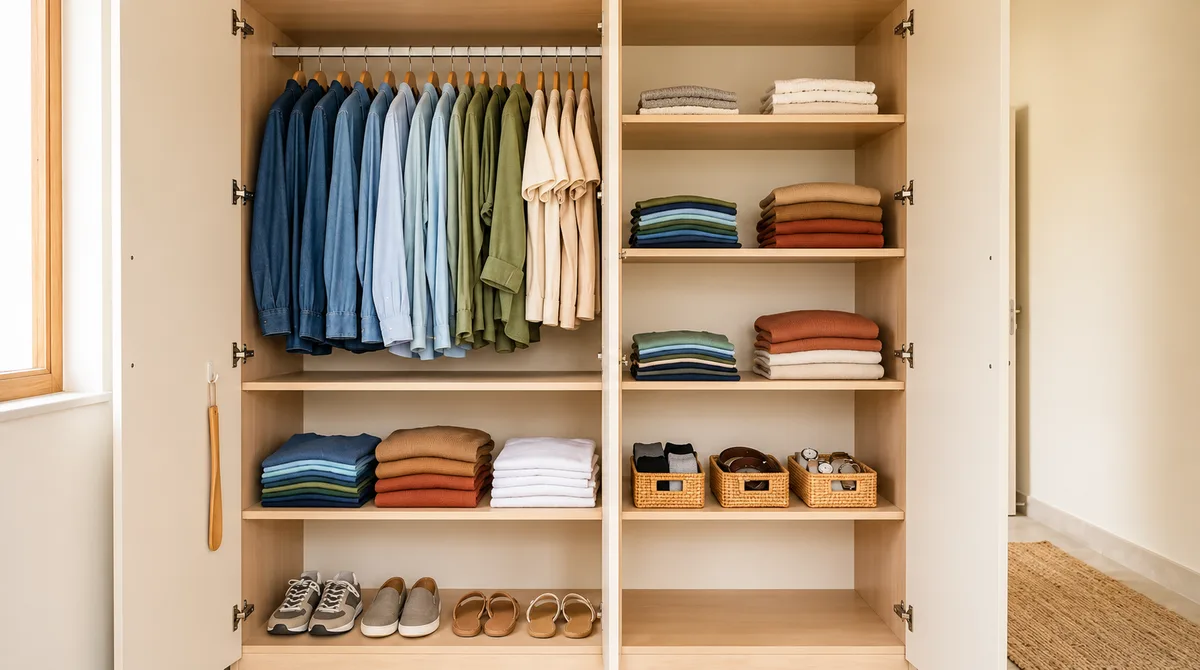
The Bedroom and Wardrobe: The Reverse Hanger Trick
Wardrobes often house clothes from past lifestyles or aspirational sizes. Try the reverse hanger trick: turn all your clothing hangers facing backwards on the closet rod. As you wear an item, hang it back facing forward. After six months, any hanger still facing backwards is a prime candidate for donation.
The Bathroom: Cosmetics and Toiletries Purge
Check sunscreen and skincare bottles for PAO (Period After Opening) symbols—most lotions and mascaras expire within 6 to 12 months. Discard dried-up nail polishes, medicine past its expiration date, and frayed towels. Keep daily dental and skincare items in a countertop caddy, leaving the surrounding sink clean.
How to Keep Your Home Permanently Clutter-Free
Decluttering is not a one-off weekend purge—it is an ongoing operational rhythm. Incorporate these low-friction habits to keep clutter from creeping back:
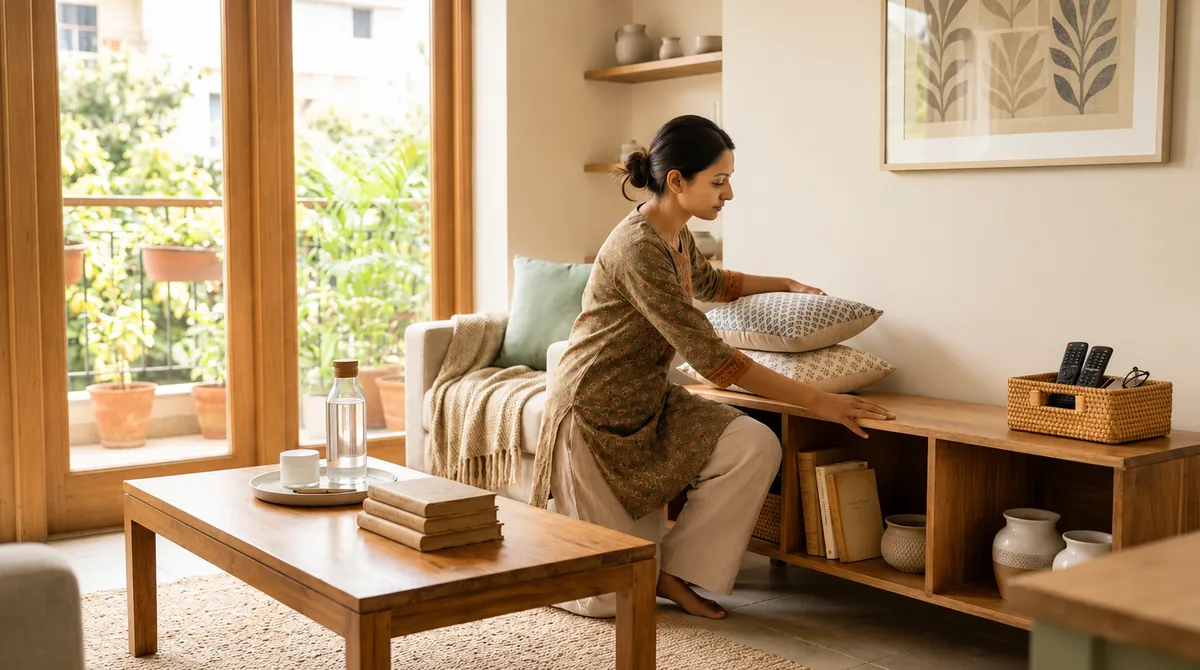
- The 10-Minute Evening Reset: Before bed, walk through the common areas with a laundry basket. Pick up misplaced items and return them to their home base.
- The One-In, One-Out Principle: When a new jacket, pair of shoes, or kitchen mug enters the home, an existing one must be donated or recycled.
- Maintain a Standing Donation Box: Keep a cardboard box in the garage or wardrobe. The moment you realize an item no longer fits or serves you, drop it into the box immediately. When full, take it straight to your local donation center.
- The 24-Hour Purchase Pause: Prevent impulse clutter by leaving online shopping cart items untouched for 24 hours to separate spontaneous desires from genuine needs.
Frequently Asked Questions
How can I declutter when I work full-time and have little energy?
Commit to just ten minutes every morning or evening on a single drawer or bathroom shelf. Small, daily micro-wins accumulate rapidly without draining your weekend downtime.
What should I declutter first when moving to a new home?
Declutter your storage spaces—attics, closets, and garage shelves—before you buy packing boxes. Packing and paying to transport belongings you no longer need is a waste of money and energy.
Should I buy matching storage bins before I begin?
No. Buying storage bins before purging often results in storing items you don't actually need, and you may end up with containers that don't fit your remaining belongings. Sort first, measure second, and purchase organizers only when you know what remains.
How do I let go of items that were expensive gifts?
Remember that the purpose of a gift is delivered the moment it is given and received with gratitude. The gift-giver would never want their present to become an ongoing source of stress or physical burden in your home. Pass it on to someone who will use and treasure it.
What is the primary difference between decluttering and organizing?
Decluttering is the substantive act of deciding what deserves space in your home and letting go of the rest. Organizing is arranging the remaining, curated essentials for effortless accessibility. You cannot organize clutter—you can only reduce it.
Related Articles
Explore more insights and stories from this category.
How to Build a Raised Garden Bed: A Step-by-Step DIY Guide
Learn how to build a raised garden bed with simple DIY steps. Explore material choices, soil preparation and practical tips for a sturdy garden space.
How to Wash Pillows Safely Without Damaging Them
Learn how to wash pillows without damaging their filling or shape. Discover how to clean pillows by material, choose the right method and dry them well.