How to Use Kumkumadi Tailam: Steps, Drops & Timing
Learn how to use kumkumadi tailam with easy steps, drop amounts and day or night timing. See how to use kumkumadi oil safely for different skin types.
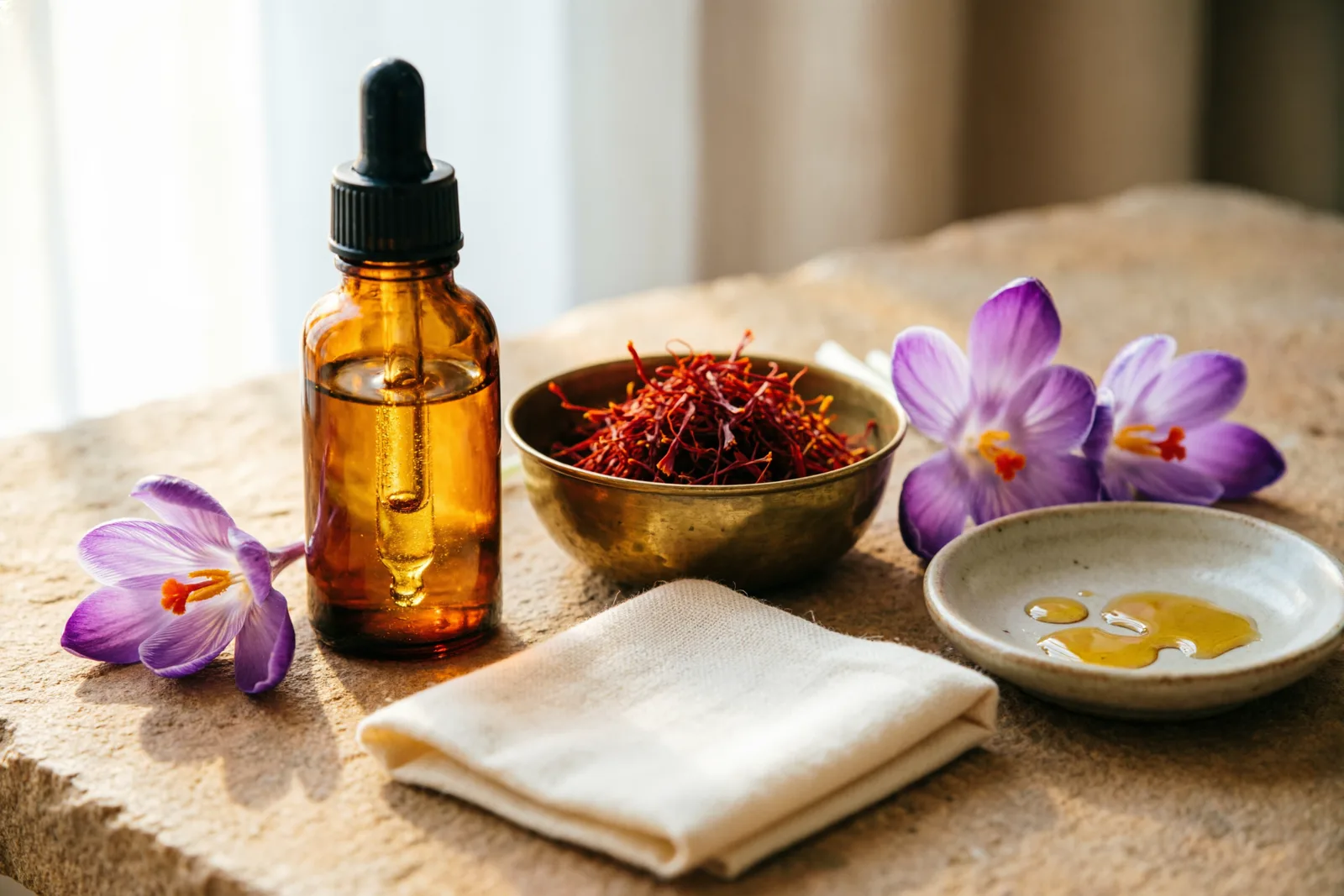
A small amber bottle of Kumkumadi Tailam can raise surprisingly many questions. Should you apply it before or after your moisturiser? Is it designed to be left on overnight or rinsed away after twenty minutes? And how many drops are genuinely sufficient without leaving your complexion feeling congested or slick?
Because commercial formulations, base carrier oils, and botanical concentrations vary widely between manufacturers, copying someone else's routine often leads to disappointing breakouts or wasted product.
Learning how to use Kumkumadi Tailam correctly begins with understanding how its lipid base interacts with your epidermal barrier. This dermatological guide covers a clear step-by-step application protocol, dosage rules, day vs night timing, and skin-type adaptations.
The Dermatologist's Rule on Herbal Facial Oils
Kumkumadi Tailam is an occlusive botanical lipid treatment, not a water-based hydrating serum. Always apply it over damp skin or after water-based humectants to lock in moisture. For acne-prone or congested skin, heavy sesame-based oils can be comedogenic—start with a 20-minute wash-off method rather than overnight wear.
What Is Kumkumadi Tailam and What Does It Do?
Kumkumadi Tailam (or thailam) is a classical Ayurvedic herbal oil formulation traditionally prescribed for facial rejuvenation (mukha lepa and abhyanga). While pure saffron (kumkuma) provides its signature golden radiance and namesake, authentic classical recipes incorporate a complex decoction of up to 26 botanicals:
- Red Saffron Stigmas: Prized for antioxidant carotenoids that help shield against environmental oxidative stress.
- Sandalwood & Vetiver: Aromatic woods historically included for cooling properties.
- Base Carrier Oil: Classical formulas typically use toasted sesame seed oil (Til Taila) or goat's milk decoctions, while modern cosmetic versions sometimes employ lighter jojoba or squalane bases.
As a lipid-rich topical, Kumkumadi Tailam excels at softening rough epidermal texture and reducing transepidermal water loss (TEWL). However, it is an optional supportive luxury—not a replacement for medical acne treatments, prescription depigmenting therapies, or broad-spectrum daytime SPF.
How to Use Kumkumadi Tailam Step by Step
Using facial oil effectively is all about dosage control and gentle patting rather than aggressive friction.
| Step | Action | Best Practice | Key Avoidance |
|---|---|---|---|
| 1. Cleanse | Low-pH gentle cleanser | Remove all makeup, sunscreen, and daily pollutants | Avoid scrubbing with coarse washcloths |
| 2. Dose | 2 to 3 drops maximum | Dispense onto clean fingertips, not directly onto face | Do not fill entire palm |
| 3. Warm & Press | Press lightly into skin | Gently pat across forehead, cheeks, and jawline | Never drag or aggressively massage |
| 4. Contact Time | 20 mins vs Overnight | Follow manufacturer instructions; rinse if acne-prone | Don't sleep with it if feeling greasy |
| 5. Seal / Protect | Moisturiser & SPF | Lock in with light cream (PM) or finish with SPF (AM) | Never mix directly into sunscreen |
1. Start with a Clean, Damp Canvas
Wash your hands thoroughly and cleanse your face with a mild, non-stripping cleanser. Pat skin dry with a clean towel, leaving it slightly damp. Applying lipid oils over faintly moist skin dramatically improves spreadability and moisture retention.
2. Measure a Conservative Dosage
Dispense just 2 to 3 drops into the palm of your hand or onto clean fingertips.

A little goes a long way. Flooding your skin with a full dropper creates an occlusive film that traps sebum, suffocates pores, and transfers onto pillowcases.
3. Spread and Press with Featherlight Pressure
Rub your fingertips together to warm the oil, then gently press your palms onto your cheeks, forehead, and jawline.

- Use light, upward pressing motions to distribute the golden oil evenly.
- Avoid aggressive pulling, rubbing, or deep-tissue tugging, which strains delicate facial elastin.
- Keep the oil away from the immediate eyelid rims and lips.
4. Respect the Recommended Contact Time
Check your product's explicit label instructions:
- Leave-On Regimens: Suitable for normal, mature, and dry skin types that absorb lipids rapidly.
- Rinse-Off Regimens (20–30 Minutes): Recommended for combination or oil-prone complexions. Allow the botanical actives to interact with the skin, then wash away excess surface oil with lukewarm water.
Morning or Night: When Should You Apply It?
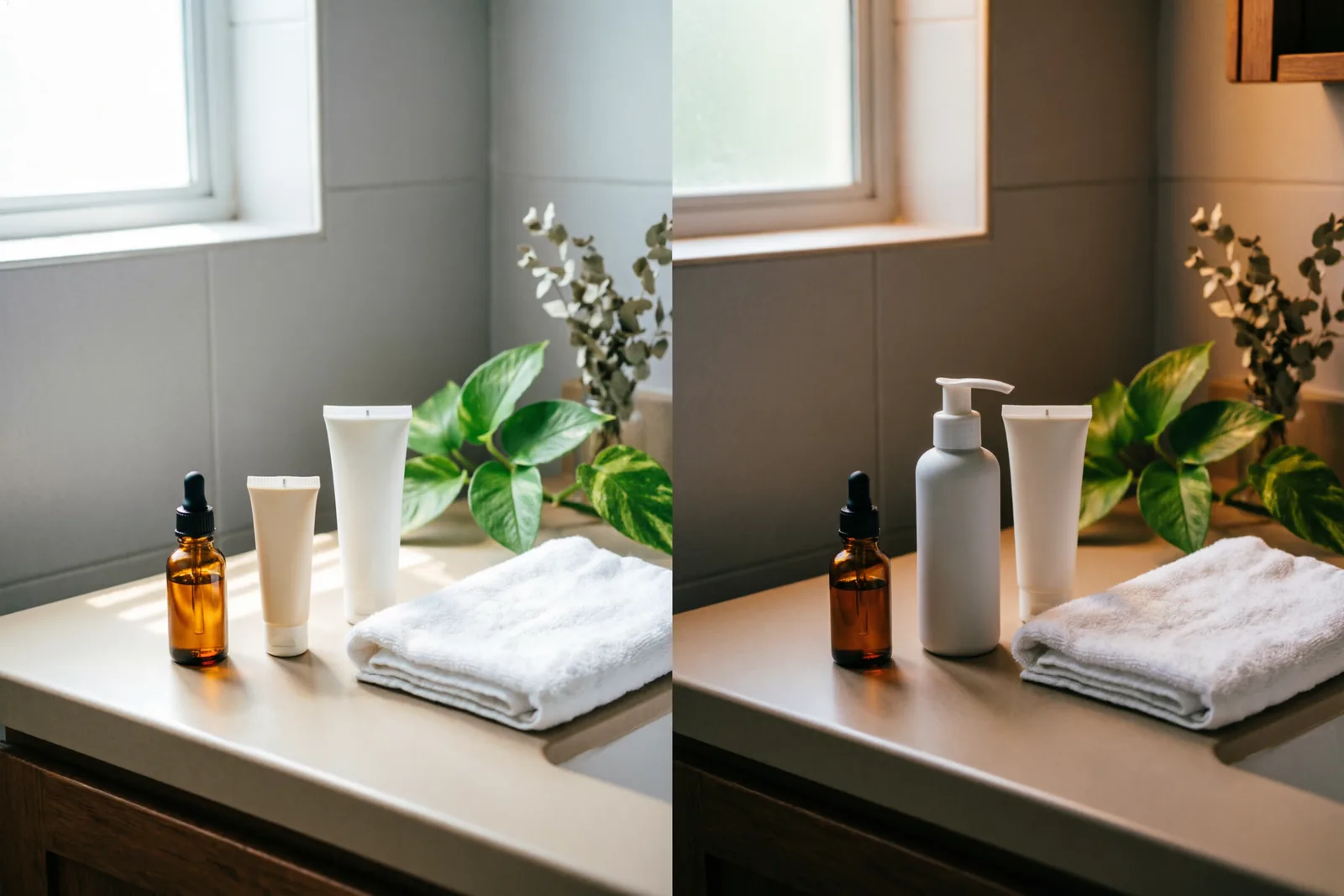
Evening Application (Recommended)
Nighttime is the most practical time to introduce Kumkumadi Tailam. Your skin enters active regeneration mode while you sleep, and you do not need to worry about daytime shine or layering makeup over an oil base.
Daytime Application (With Precautions)
If using Kumkumadi in the morning:
- Use only 1 to 2 drops.
- Allow 5 to 10 minutes for full absorption.
- Apply a broad-spectrum sunscreen with SPF 30+ as your final step.
- Never mix facial oils directly into sunscreen bottles, as oils break down UV filter emulsion matrices and compromise sun protection.
Tailoring for Different Skin Types
- Dry & Mature Skin: Thrives on Kumkumadi's rich lipid profile. Can be layered over hydrating serums and sealed with a rich night cream 3 to 4 nights per week.
- Combination Skin: Apply sparingly only to dry zones (cheeks and neck), avoiding the naturally oily T-zone (forehead, nose, chin).
- Oily & Acne-Prone Skin: Classical sesame oil bases have a moderately high comedogenic rating. If you experience active breakouts, blackheads, or cystic acne, opt for the 20-minute rinse-off method or consult your dermatologist before use.
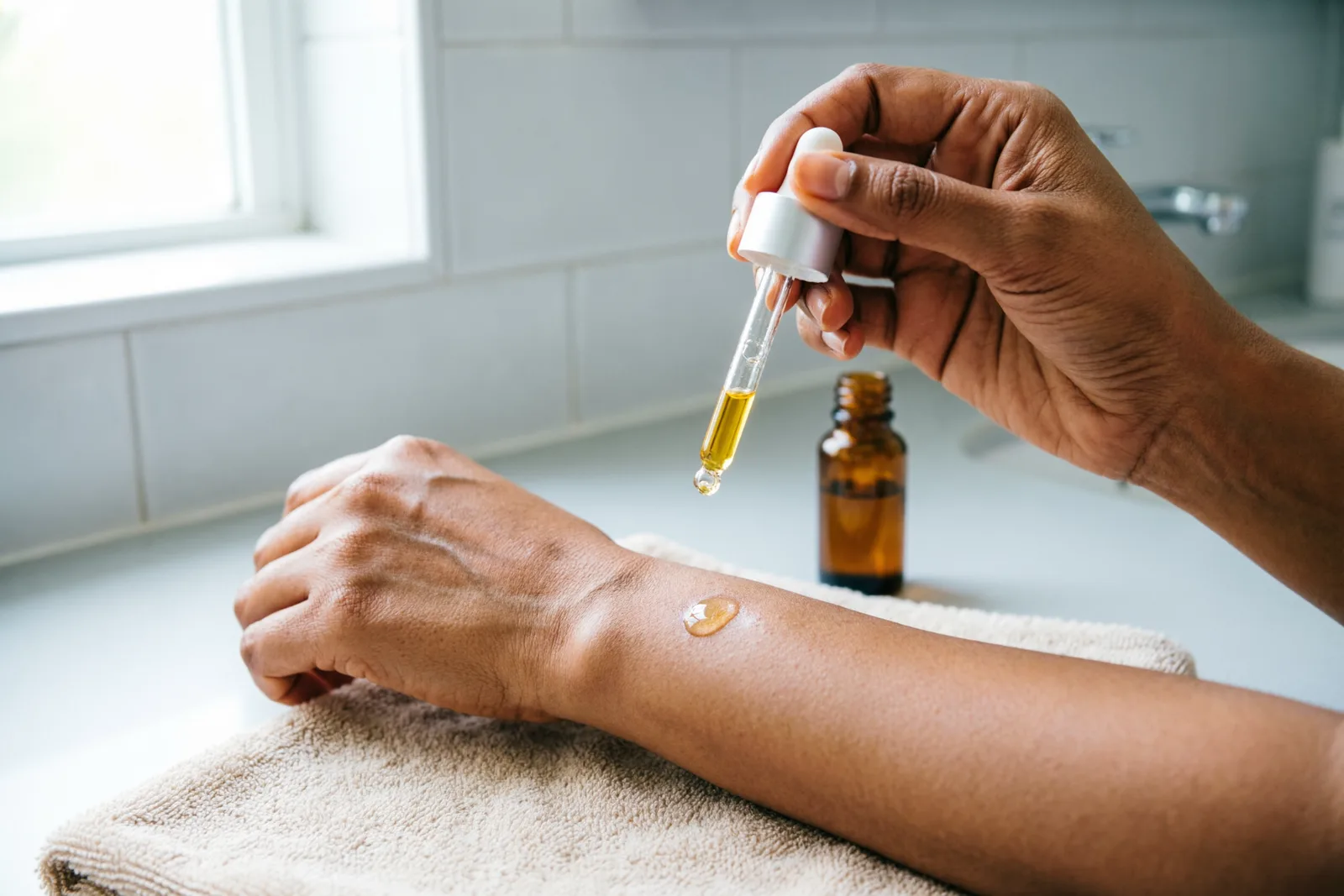
- Sensitive Skin: Saffron and botanical terpenes can cause contact dermatitis. Always perform a 24-hour patch test on the jawline or inner forearm before full-face application.
Conclusion
Incorporating Kumkumadi Tailam into your skincare regimen should feel like an intentional, grounding ritual rather than an overwhelming guessing game. By focusing on minimal drop counts, gentle pressing techniques, and respecting your skin type's oil tolerance, you can unlock its nourishing properties safely.
Remember: traditional elegance works best when paired with modern dermatological common sense. Keep your foundational cleanser, moisturiser, and daily sunscreen at the core of your routine, and enjoy Kumkumadi Tailam as an occasional botanical boost.
Frequently Asked Questions
Can I apply Kumkumadi Tailam over makeup?
No. Applying facial oil directly over cosmetics dissolves foundation pigments and traps cosmetic powders, atmospheric dust, and sweat inside pores. Always cleanse thoroughly before applying treatment oils.
Does Kumkumadi Tailam replace my daily moisturiser?
Not necessarily. Facial oils are occlusive lipids that lock in hydration, but they do not contain water or humectants (like hyaluronic acid and glycerin). For dehydrated skin, apply a hydrating serum or light lotion before your Kumkumadi oil to provide both water and oil balance.
Can I apply Kumkumadi oil onto active acne pustules?
No. Massaging rich plant oils over active, inflamed pimples feeds acne-causing bacteria and exacerbates localized inflammation. Keep oil away from active breakouts and treat them with targeted ingredients like salicylic acid or benzoyl peroxide.
How long does it take for Kumkumadi Tailam to fade hyperpigmentation?
Skin renewal cycles take roughly 28 to 40 days. While Kumkumadi provides surface luminosity, stubborn sun spots and melasma typically require dedicated medical actives (such as retinoids, vitamin C, or azelaic acid) alongside consistent daily sun protection.
Can men use Kumkumadi Tailam?
Yes. Skin biology is universal. Men with normal to dry skin can use Kumkumadi Tailam as an evening lipid treatment or soothing post-shave beard oil (ensuring it is not applied over freshly shaved, irritated razor nicks).
Related Articles
Explore more insights and stories from this category.

How to Apply Under Eye Cream: Where, When and How Much
Learn how to apply under eye cream with the right amount, placement and timing. See how to use under eye cream gently and avoid common skincare mistakes.

Benefits of Vitamin C for Skin: What Really Works?
Explore the benefits of vitamin C for skin, from antioxidants to uneven tone. Learn about vitamin C serum benefits, safe application and common mistakes.