Benefits of Saffron on Skin: Uses, Effects & Precautions
Explore the benefits of saffron on skin, including antioxidant potential and safe use. Learn about kesar benefits for skin and what research really shows.
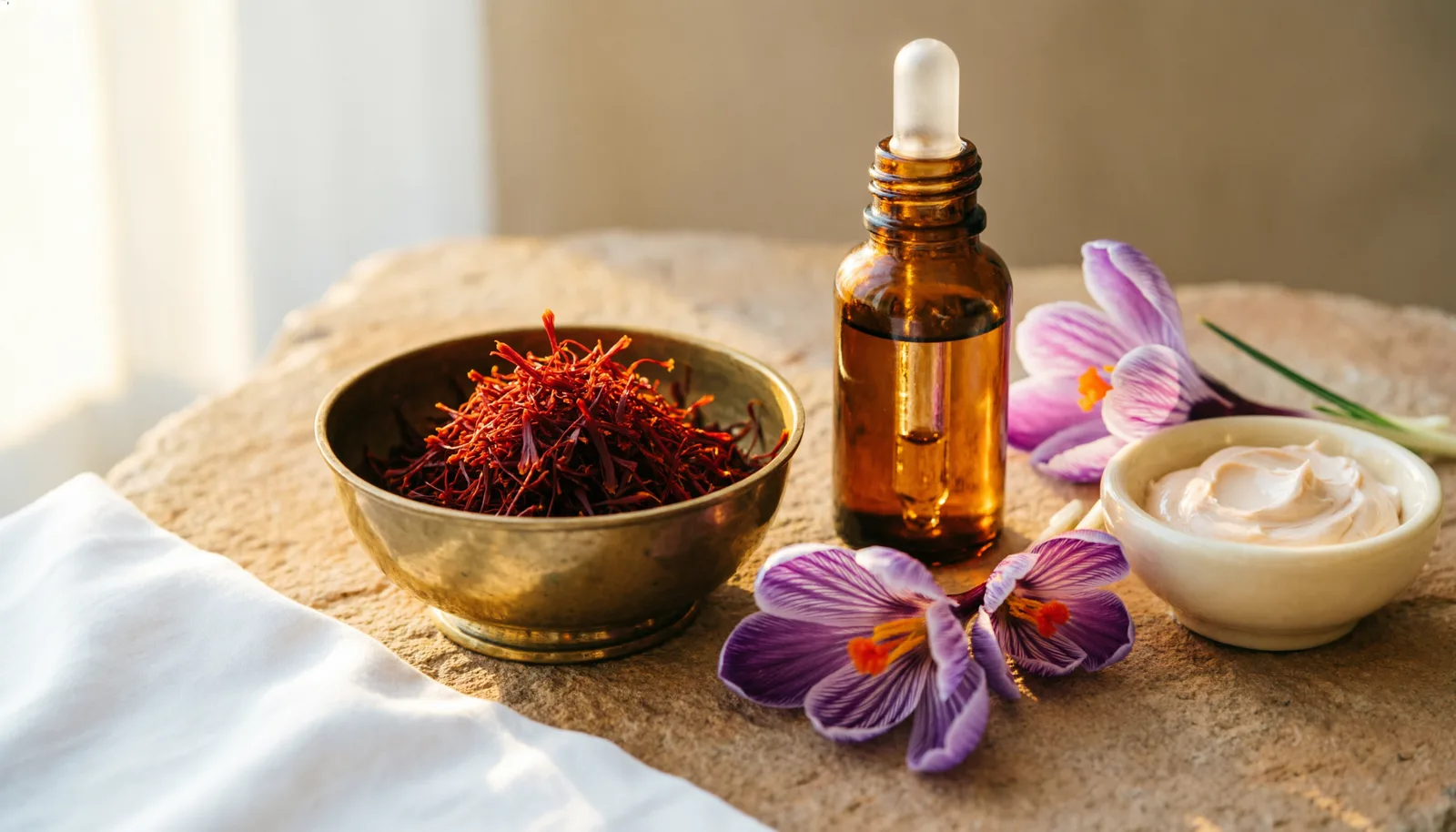
Those delicate crimson threads nestled in your spice drawer represent far more than a fragrant culinary seasoning. Known as kesar across South Asia, saffron has anchored traditional beauty remedies and royal skin preparations for centuries. From restorative herbal oils to brightening wedding masks, it remains a celebrated symbol of glowing, radiant skin.
Yet behind its historic prestige lies a crucial dermatological question: how much of saffron's reputation stands up to rigorous scientific testing? While saffron contains powerful bioactive antioxidants currently under active laboratory investigation, centuries of folklore do not guarantee visible cosmetic outcomes.
This evidence-based guide separates cosmetic myths from scientific research, outlining what compounds make saffron unique, realistic dermatological expectations, practical integration tips, and vital safety precautions.
The Dermatologist's Rule on Botanical Brightening
Saffron extracts boast genuine antioxidant potential, but crude kitchen strands soaked in milk cannot replicate clinically formulated tyrosinase inhibitors. Botanical topicals should complement an evidence-based routine anchored by SPF, rather than serving as overnight hyperpigmentation remedies.
What Makes Saffron Beneficial for Skin?
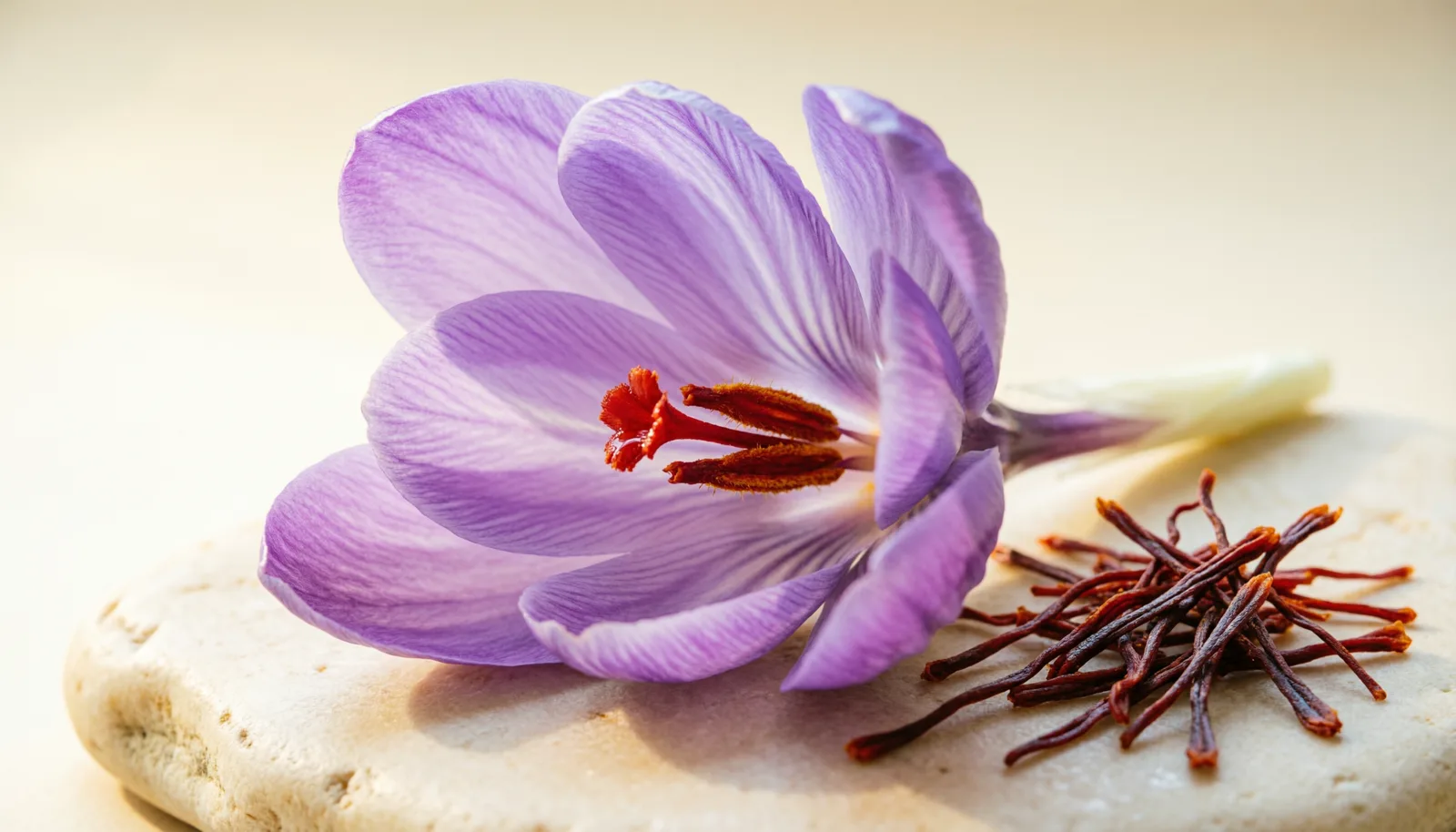
Saffron is derived from the painstakingly hand-harvested stigmas of the purple Crocus sativus blossom. Its rich amber hue and complex aroma stem from naturally concentrated secondary metabolites, several of which are actively studied in cosmetic dermatology:
Key Bioactive Compounds
- Crocin: A water-soluble carotenoid pigment studied extensively for its free-radical scavenging abilities and potential influence on epidermal melanin synthesis.
- Crocetin: A hydrophobic carotenoid aglycone under investigation for cellular protection against ultraviolet-induced oxidative stress.
- Safranal: A volatile monoterpene aldehyde responsible for saffron's distinctive aroma, investigated for mild antimicrobial and anti-inflammatory properties.
While these isolated compounds display promising biological activity in laboratory cell assays, raw threads steeped in water or milk deliver unpredictable, highly diluted concentrations that may not penetrate the stratum corneum effectively.
Benefits of Saffron on Skin: What Does the Research Say?
| Proposed Benefit | Scientific Evidence Level | Clinical Mechanism | Practical Expectation |
|---|---|---|---|
| Antioxidant Protection | Moderate (In Vitro & Animal) | Neutralizes free radicals from pollution & UV | Supportive environmental defense |
| Even Skin Tone | Preliminary (Small Pilot Trials) | Mild tyrosinase inhibition via crocin | Subtle glow; won't erase melasma |
| Anti-Ageing Support | Emerging (Preclinical) | Mitigates oxidative collagen breakdown | Enhances cellular resilience |
| Anti-Inflammatory | Limited (Laboratory) | Downregulates inflammatory cytokines | Formulation-dependent; raw threads may irritate |
| Sun Protection | Very Low (Experimental) | Minor secondary UV absorption | Cannot replace commercial sunscreen |
1. Protection Against Oxidative Stress
Everyday exposure to ambient particulate pollution and ultraviolet radiation generates reactive oxygen species (ROS) that break down dermal collagen and accelerate cellular ageing. The carotenoids in saffron—specifically crocin and crocetin—demonstrate robust free-radical scavenging capabilities in laboratory models, helping support the skin's innate cellular defences.
2. Supporting a More Even-Looking Tone
In Ayurvedic dermatology, kesar is revered as a varnya (complexion-harmonizing) botanical. Modern pilot studies exploring topical saffron formulations observed mild reductions in epidermal melanin index measurements over multi-week testing periods. However, because cohort sizes remain modest, saffron cannot be viewed as a substitute for clinically validated depigmenting actives like azelaic acid, retinoids, or prescription hydroquinone.
3. Anti-Inflammatory and Soothing Properties
Laboratory trials have highlighted saffron extract's ability to modulate localized inflammatory responses. However, applying raw botanical pastes to sensitized, sunburned, or acne-inflamed skin can trigger allergic contact reactions. Any soothing benefit depends entirely on whether the extract is purified and carried in a barrier-repairing base.
Kesar Benefits: Traditional Claims vs Scientific Reality
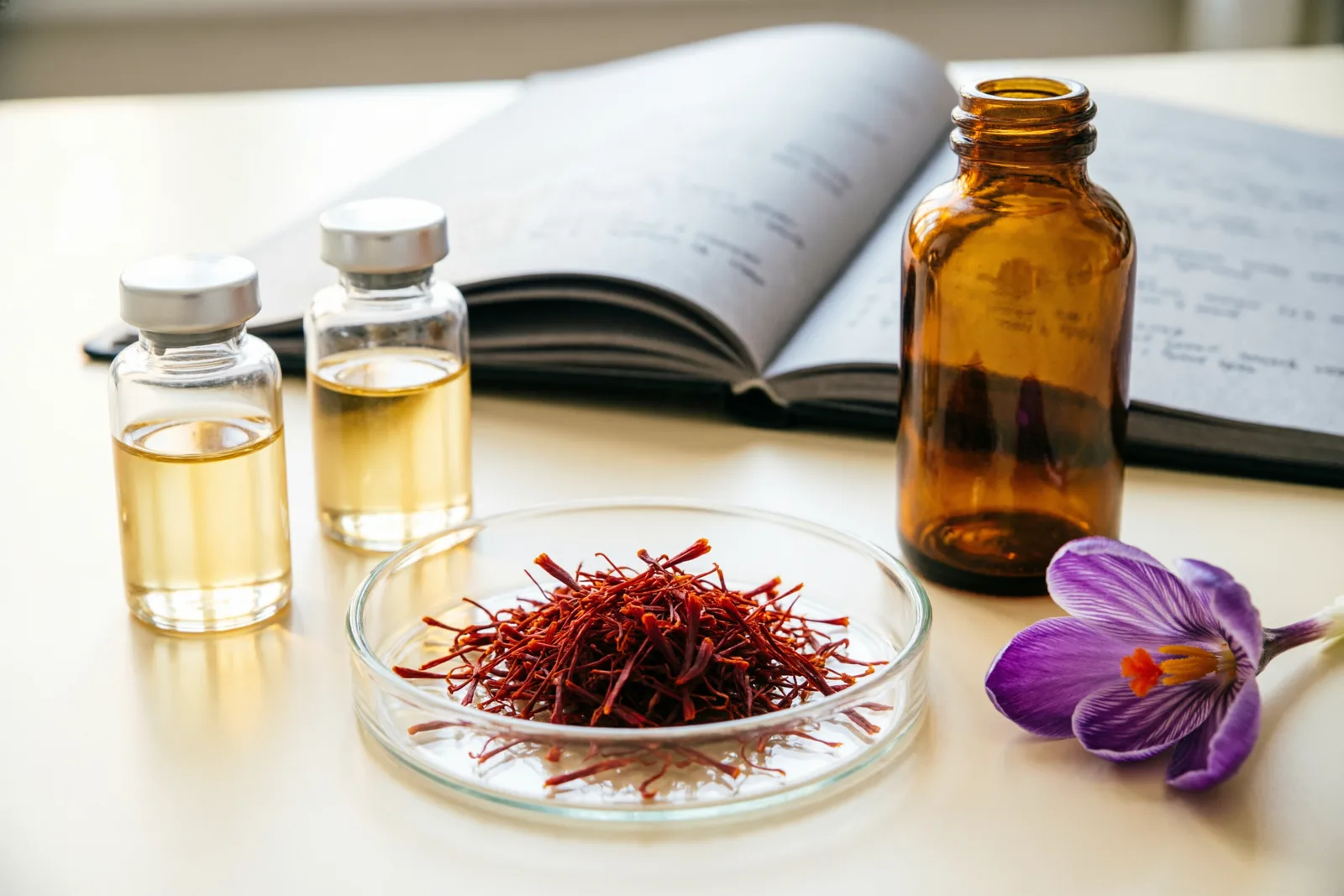
Historically, royal texts promised instant luminescence and youthful transformation from kesar face packs. Modern cosmetic formulation provides a clearer, more grounded reality:
- Purified Extract vs Kitchen Paste: Cosmetic chemists utilize standardized solvent extractions to isolate active crocin molecules while filtering out botanical resins and contaminants that trigger allergic contact dermatitis.
- Delivery Systems Matter: Active carotenoids require liposomal or lipid-based carriers to traverse the hydrophobic stratum corneum; water-steeped saffron remains largely on the skin's outer surface.
How to Safely Integrate Saffron into Your Skincare Routine
If you want to experience saffron's sensory and antioxidant benefits, choose standardized, packaged cosmetic formulations rather than messy kitchen concoctions.
1. Opt for Professionally Formulated Products
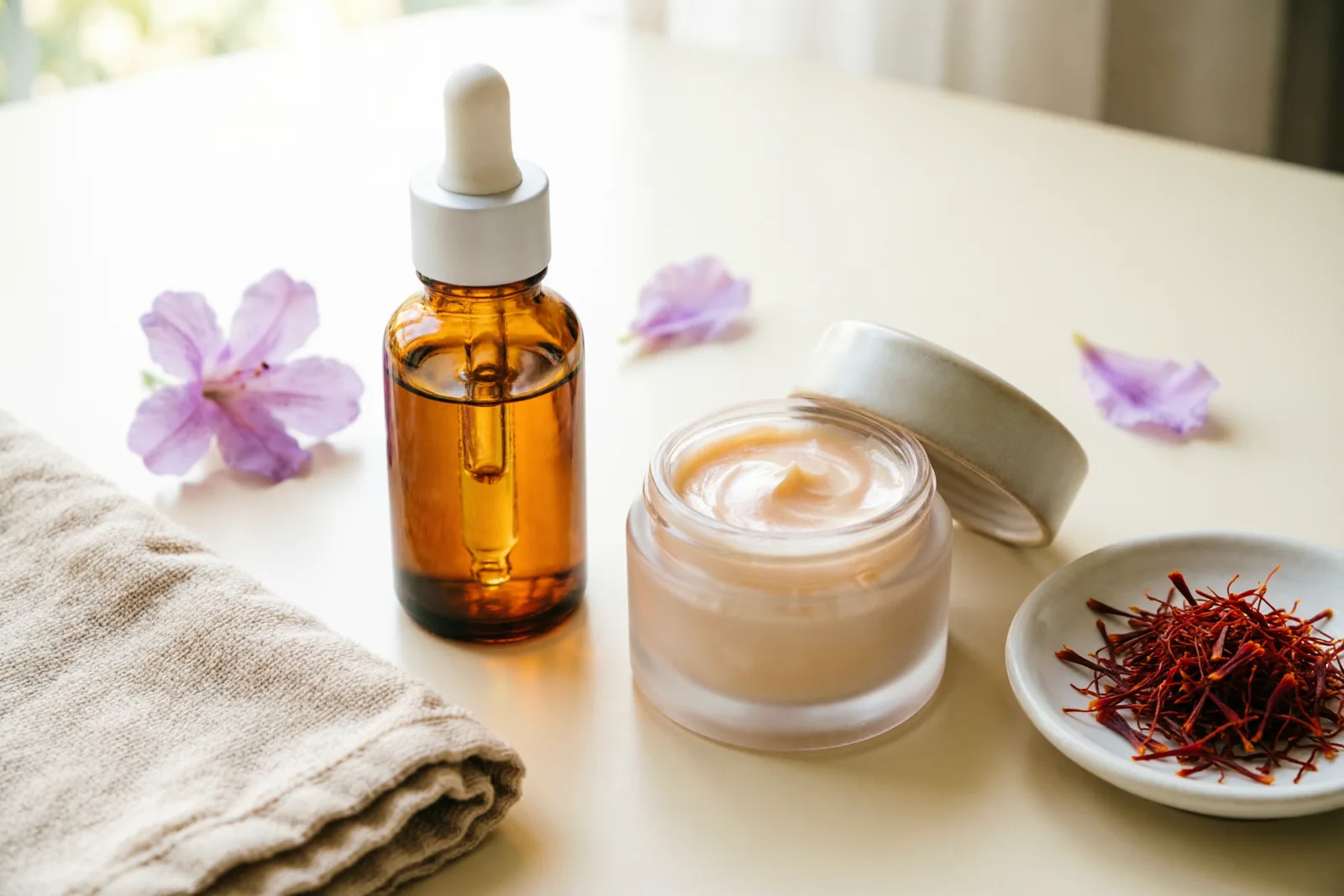
Look for well-tolerated facial oils, creams, or antioxidant serums where saffron extract appears alongside established hydrating staples such as glycerin, squalane, or hyaluronic acid:
- Check Transparency: Ensure the product discloses full ingredients and comes from a reputable cosmetic manufacturer.
- Patience with Introduction: Integrate the new product 2–3 evenings per week before escalating to daily application.
2. Exercise Caution with DIY Face Packs
If you enjoy homemade skincare rituals:
- Never blend saffron with citrus juices (lemon, lime) or vinegar, which disrupt the skin's protective acid mantle and amplify UV photosensitivity.
- Discard homemade saffron pastes after single use; unpreserved milk and honey mixtures harbour bacteria within hours.
3. Maintain Your Foundational Skincare Core
Botanical extras should never crowd out your essential routine pillars:
- Cleanse: A gentle, low-pH hydrating cleanser.
- Moisturise: A lipid-replenishing ceramide moisturiser.
- Protect: Daily broad-spectrum SPF 30+ sunscreen, reapplied during extended outdoor exposure.
Precautions and Safety Guidelines
While saffron is a familiar food spice, topical botanical exposure carries distinct risks:
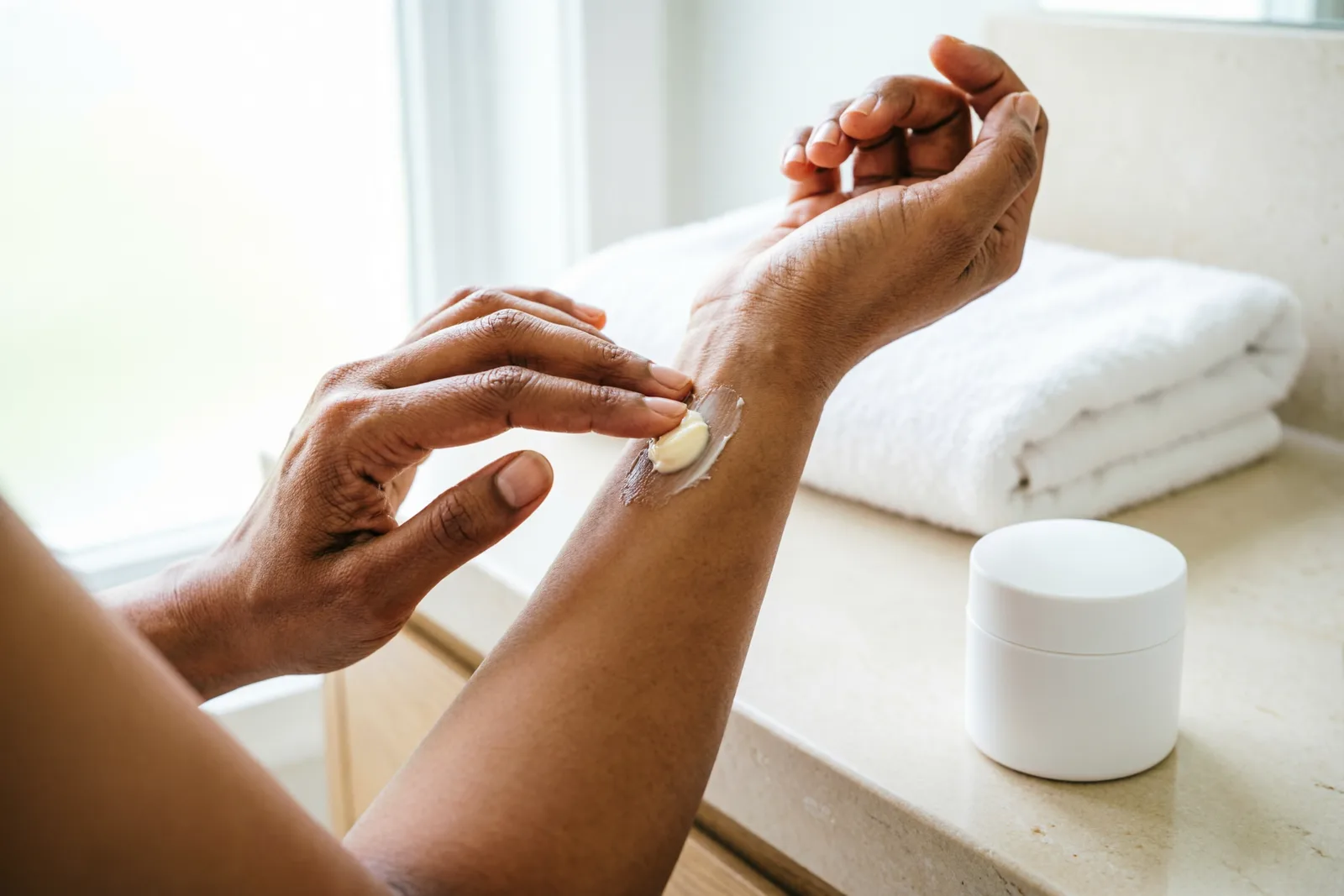
- Allergic Contact Dermatitis: Occupational exposure studies demonstrate that saffron pollens and compounds can provoke allergic contact dermatitis in sensitized individuals.
- Perform a Patch Test: Dab a small amount of any saffron formula onto your inner forearm or behind the ear. Monitor for 24 to 48 hours for redness, itching, or swelling before applying it to your face.
- Avoid Broken Skin: Never apply homemade botanical pastes over active eczema, rosacea flare-ups, or open acne lesions.
Conclusion
Saffron's centuries-old presence in Indian grooming traditions reflects our enduring appreciation for exquisite botanicals. Modern cosmetic science validates that its carotenoids offer genuine antioxidant properties that support everyday skin resilience.
However, appreciating saffron means maintaining sensible expectations. It is not an overnight cure for melasma, deep wrinkles, or severe hyperpigmentation. By selecting properly formulated skincare products, testing your skin's tolerance, and anchoring your regimen with daily sun protection, you can enjoy kesar's luxurious botanical benefits with complete confidence.
Frequently Asked Questions
Can saffron permanently lighten your skin tone?
No. There is no clinical evidence demonstrating that topical saffron changes a person's natural genetic skin colour. It contains antioxidants that may subtly brighten dull, oxidised surface skin, but it does not act as a permanent bleaching agent.
Does saffron leave yellow stains on the skin?
Yes. Concentrated crocin carotenoids readily impart a yellow or orange tint to skin and clothing, especially in homemade pastes or richly pigmented facial oils. These surface stains are temporary and wash away with a gentle cleanser.
Can drinking saffron milk improve skin clarity?
While dietary saffron offers systemic antioxidant benefits as part of a balanced diet, there are no randomized controlled trials demonstrating that drinking saffron milk directly resolves acne, dark circles, or stubborn hyperpigmentation.
Is kitchen-grade cooking saffron safe to put directly on your face?
Culinary saffron is packaged for cooking rather than dermatological testing. Coarse threads can mechanically irritate sensitive skin, and home mixtures lack sterile preservation. Professionally formulated cosmetic products offer far greater safety and predictability.
Can saffron products be applied around the delicate eye area?
Unless a product is ophthalmologically tested and specifically formulated for the periorbital zone, avoid applying saffron serums or homemade pastes near your eyes. Carotenoids and volatile aromatics like safranal can easily cause stinging and tearing.
Related Articles
Explore more insights and stories from this category.
How to Apply Under Eye Cream: Where, When and How Much
Learn how to apply under eye cream with the right amount, placement and timing. See how to use under eye cream gently and avoid common skincare mistakes.
Benefits of Vitamin C for Skin: What Really Works?
Explore the benefits of vitamin C for skin, from antioxidants to uneven tone. Learn about vitamin C serum benefits, safe application and common mistakes.