Budget Travel Tips for Planning a Lower-Cost Trip
Use budget travel tips to save on transport, stays and meals. Get the best budget travel tips, how to travel in a budget and how to travel on budget.
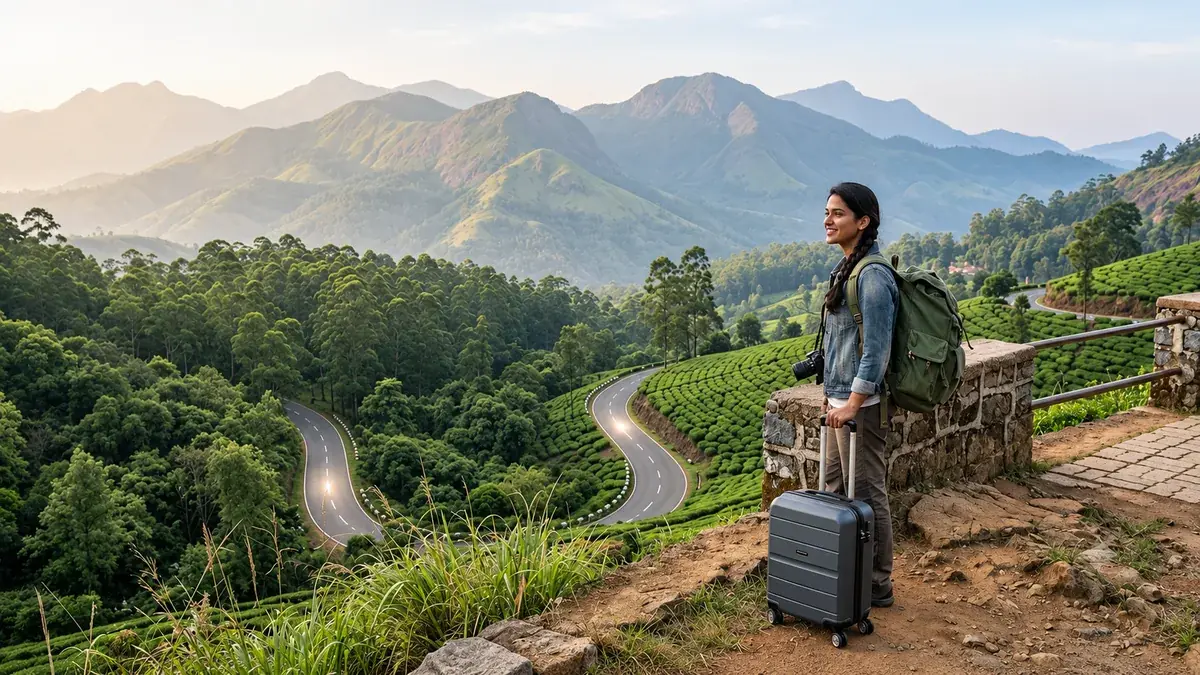
Traveling to extraordinary places does not require depleting your savings. With strategic planning, realistic cost allocation, and an openness to authentic local experiences, you can explore historic landmarks, mountain trails, and coastal villages while keeping your finances firmly intact.
Smart budget travel is not about extreme austerity or depriving yourself—it is about maximizing value. By identifying where your travel funds make the biggest impact and trimming invisible, unnecessary expenses, you can travel farther and stay longer. This comprehensive guide details actionable strategies for transport booking, boutique stays, culinary exploration, and daily spending discipline.
The Golden Rule of Value Travel
Never choose the cheapest accommodation simply because of its rock-bottom nightly rate. A cheap room 15 kilometers away from town center will quickly wipe out your savings in daily taxi fares and lost sightseeing hours. Always balance room cost with geographic walkability.
Start with a Realistic, Tiered Spending Plan
The foundation of low-stress travel is setting a total budget before opening travel search engines. Divide your available funds into three distinct financial buckets:
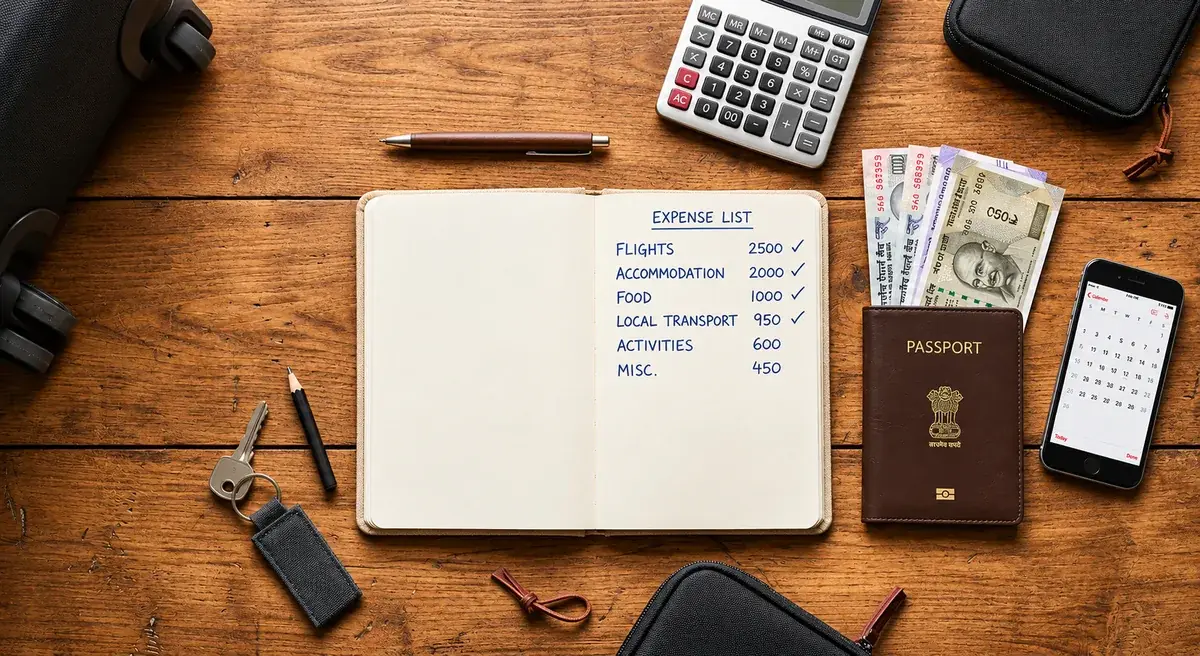
The 40-30-20-10 Budget Formula
- Fixed Transit (40%): Long-distance flights, train reservations, interstate buses, and airport transfers.
- Accommodation (30%): Guesthouses, boutique hostels, homestays, or apartments.
- Daily Living (20%): Meals, street food, museum tickets, and local commuter transit.
- Contingency Buffer (10%): An untouched emergency reserve for medical clinics, last-minute cancellations, or lost gear.
Budget Travel Expense Matrix
| Travel Expense Category | Low-Cost Alternative | Typical Savings | Pro Booking Tactic |
|---|---|---|---|
| Long-Distance Transit | Overnight sleeper train (2AC / 3AC) | 50–70% vs flights | Saves an entire night's hotel charge |
| Lodging | Verified family homestay or private hostel room | 40–60% vs business hotels | Includes homemade breakfasts & kitchen access |
| Daily Meals | Neighborhood thali eateries & local dhabas | 65% vs resort restaurants | Fresh, fast turnover guarantees food safety |
| Sightseeing | Self-guided heritage walks & public parks | 80% vs tour operators | Download offline audio guides and trail maps |
| Local Commuting | Metro rails, shared autos, and city buses | 70% vs private on-demand cabs | Purchase reloadable multi-day transit cards |
Save Money on Transport Without Sacrificing Comfort
Transit often represents the single largest expenditure of a vacation. Employing smart routing strategies cuts costs dramatically:
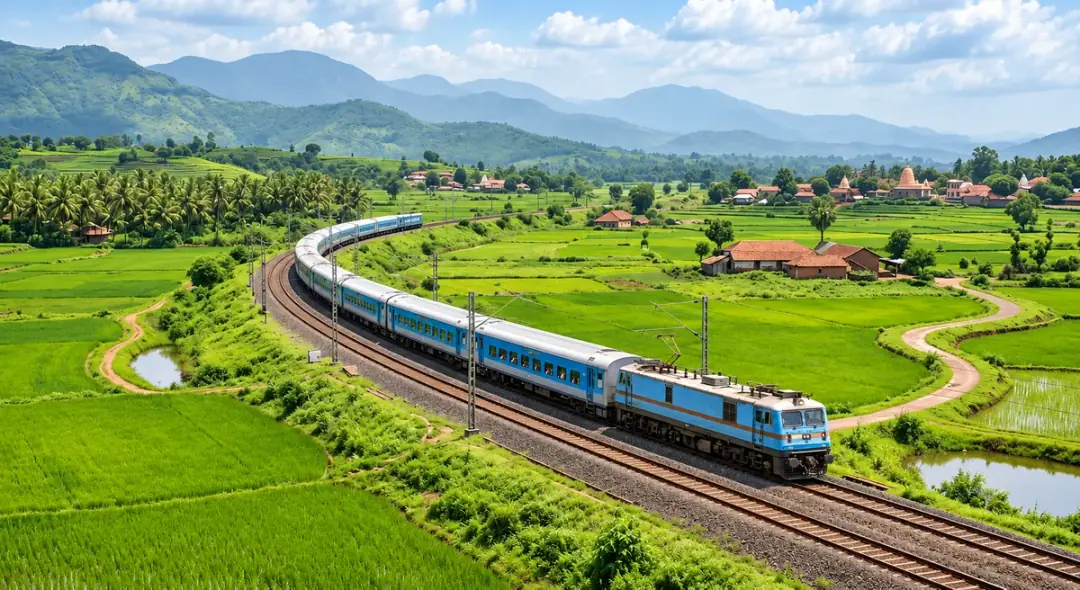
Embrace Overnight Train Journeys
Taking an overnight sleeper train across domestic routes serves two functions simultaneously: it covers hundreds of kilometers of transit while eliminating the need to pay for a hotel room that night. Booking second-class or third-class air-conditioned berths (2AC/3AC) delivers clean linens, personal reading lights, and security at a fraction of a flight ticket.
Travel on "Shoulder" Days
Flight search algorithms reveal clear pricing trends: flying out on a Tuesday or Wednesday is almost universally cheaper than departing on Friday evening or returning on Sunday night. Similarly, traveling during shoulder seasons—the weeks immediately before or after peak monsoon or winter holidays—delivers halved room tariffs and uncrowded sights.
Choosing Affordable Stays and Authentic Dining
Accommodation and food provide immense opportunity for financial flexibility without sacrificing hygiene or hospitality.
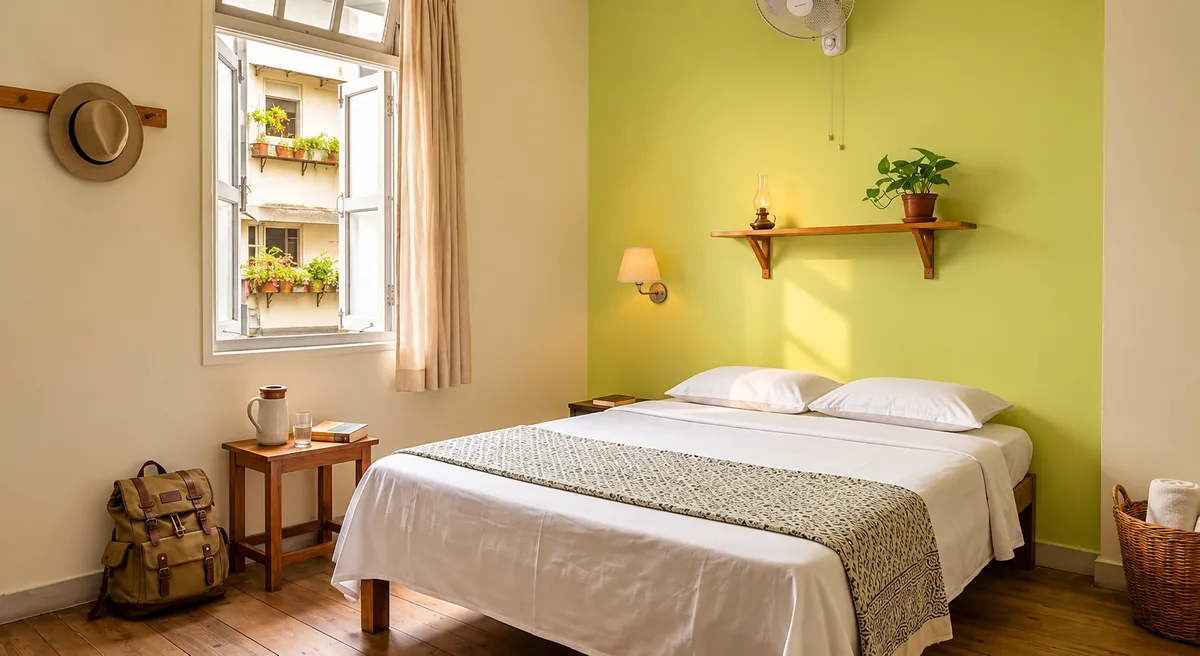
Hostels, Homestays, and Guesthouses
Modern boutique hostels and licensed family homestays have redefined budget accommodation. Many offer spotless private en-suite double rooms alongside dormitory beds, combined with communal kitchen facilities, filtered drinking water, and high-speed Wi-Fi.
Read recent verified reviews focusing on three non-negotiable criteria: cleanliness ratings, hot water reliability, and neighborhood walkability.
Eat Where the Locals Eat
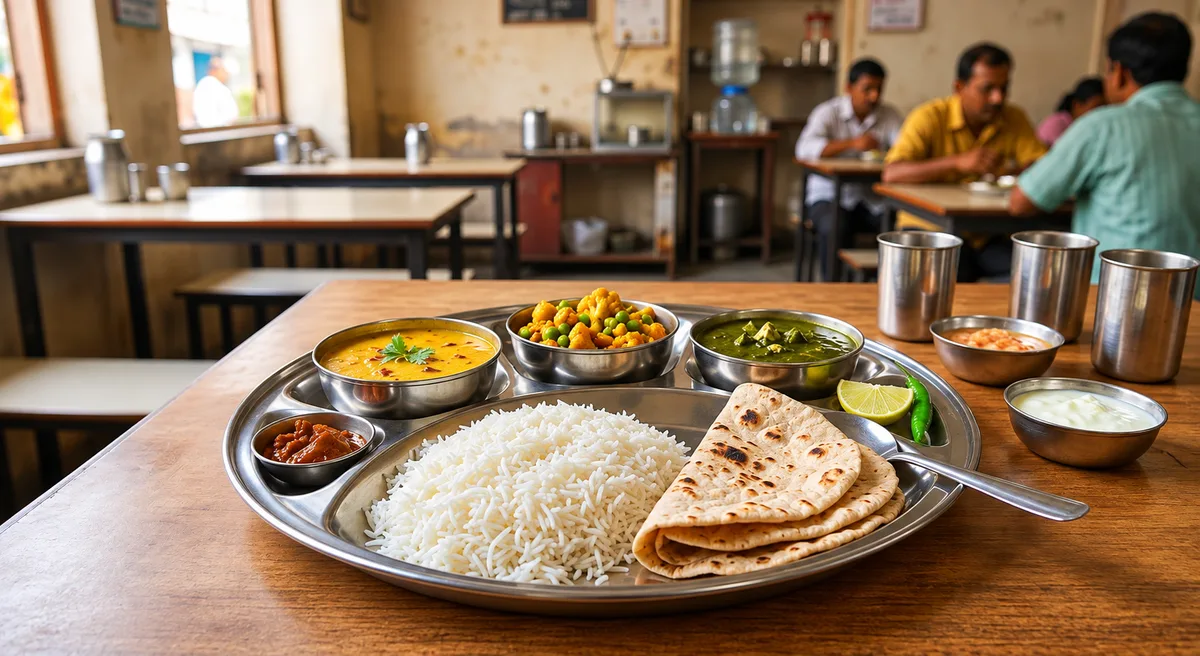
Restaurants geared towards tourists often charge premium prices for bland, westernized menus. Instead, seek out crowded neighborhood diners and busy family-run messes. High customer turnover ensures ingredients are cooked fresh throughout the day rather than sitting under warming lights. Ordering a traditional regional thali—with unlimited refills of lentils, vegetables, and rice—offers a wholesome, balanced feast for a fraction of a resort meal.
Low-Cost Sightseeing and Daily Spending Discipline
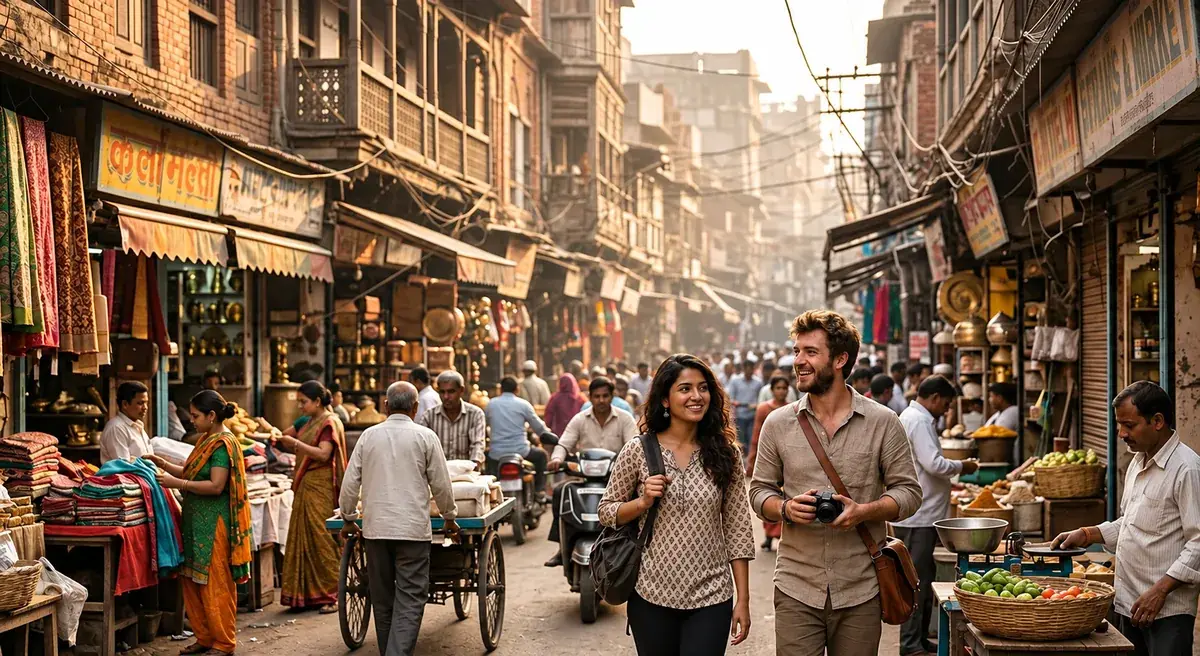
The most memorable travel moments rarely carry an admission ticket. Sunsets from coastal ramparts, wandering through aromatic spice bazaars, and peaceful strolls through old heritage quarters cost nothing.
- Carry a Reusable Filtered Bottle: Single-use plastic water bottles purchased at tourist sights add up quickly and pollute destinations. Carrying a stainless steel bottle and refilling at hotel RO dispensers saves money and reduces plastic waste.
- Group Sights Geographically: Cluster your itinerary by neighborhood to avoid taking crisscross auto rides across the city.
- Log Daily Expenses: Spend two minutes every evening logging transactions into a phone notes app. Tracking expenditure daily prevents "financial blind spots" from surprising you halfway through the trip.
Beware the Souvenir Trap
Avoid purchasing high-ticket handicrafts in specialty tourist emporiums located immediately outside monument gates—drivers often receive a 30% commission baked into the retail price. Purchase directly from artisan cooperatives or central municipal markets instead.
Frequently Asked Questions
Is solo budget travel safe?
Yes, provided you exercise basic precautions. Book stays with high security ratings, arrive at new cities during daylight hours, share your live travel itinerary with family, and keep emergency cash hidden in two separate locations.
How far in advance should I book trains and flights?
For Indian Railways, advance reservations open 60 to 120 days before departure; booking early guarantees confirmed berths during festive seasons. For domestic flights, price sweet spots typically appear 4 to 6 weeks prior to departure.
Are all-inclusive tour packages cheaper than DIY travel?
Rarely. While packages offer convenience, travel agencies markup hotels, guides, and transit by 25% to 40%. Planning and booking independently gives you full control over your budget and schedule.
How do I handle banking and cash while on the road?
Use debit cards with zero foreign transaction or inter-bank ATM fees. Withdraw moderate sums from ATMs located inside secure bank branches, and carry a reserve of crisp banknotes for rural areas where digital QR payments may lack mobile signal.
Related Articles
Explore more insights and stories from this category.

Places to Visit in Kanyakumari: Travel Tips and Highlights
Explore the top places to visit in Kanyakumari, from coastal landmarks to historic sites. Use this list of attractions and travel tips to plan your trip.
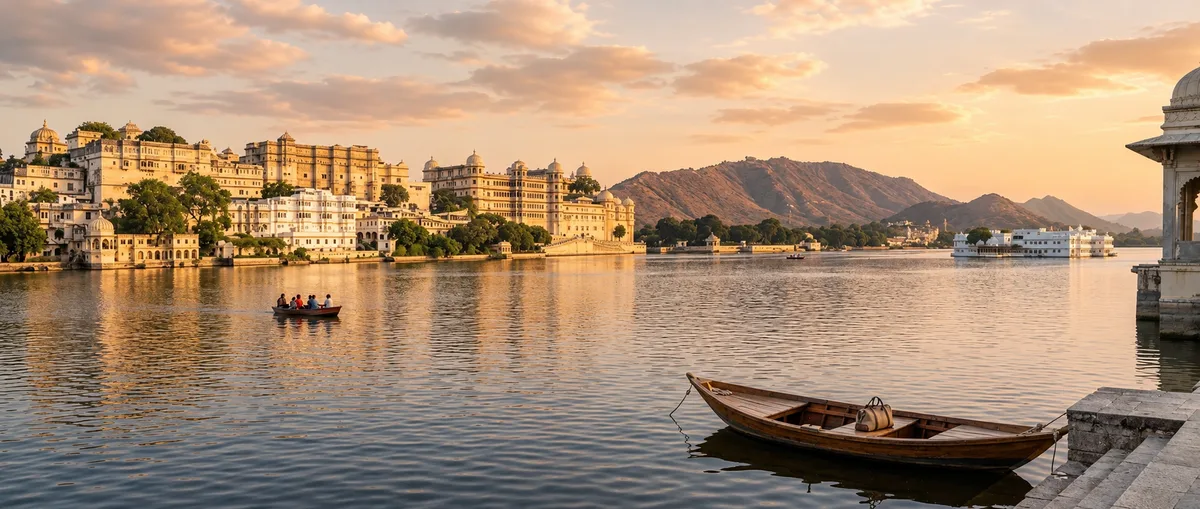
Places to Visit in Udaipur: Travel Tips and Highlights
Explore places to visit in Udaipur, from City Palace and Lake Pichola to local markets. Discover top attractions, travel tips and memorable things to do.