Benefits of Vitamin C for Skin: What Really Works?
Explore the benefits of vitamin C for skin, from antioxidants to uneven tone. Learn about vitamin C serum benefits, safe application and common mistakes.

A high-potency vitamin C serum can sound like the definitive antidote to almost every modern skincare grievance—from dull office fatigue and post-summer sun spots to early fine lines. Yet two bottles boasting "Vitamin C" on the label can behave radically differently on your face, and a maximum concentration is certainly not a guarantee of better skin health.
The proven benefits of topical vitamin C (L-ascorbic acid and its modern derivatives) stem from its potent antioxidant activity, critical role as an enzymatic cofactor in collagen synthesis, and its ability to suppress tyrosinase activity. However, clinical results hinge on chemical stability, formulation pH, and consistent daily application.
This evidence-based guide breaks down the clinical science behind topical vitamin C, how to choose the right derivative and percentage, how to layer it safely, and why it forms an unbeatable daytime shield alongside broad-spectrum sunscreen.
The Dermatologist's Rule on Vitamin C and Sunscreen
Vitamin C does not absorb or block ultraviolet radiation like an organic or mineral sunscreen filter. Instead, it neutralizes the reactive free radicals that slip past your UV filters, providing vital secondary photoprotection. Always layer vitamin C beneath your daytime SPF 30+.
Benefits of Vitamin C for Skin: What the Clinical Research Shows
Topical vitamin C is one of the few cosmetic actives supported by decades of peer-reviewed dermatological research:
| Clinical Benefit | Primary Mechanism | Scientific Strength | Expected Timeline |
|---|---|---|---|
| Environmental Photoprotection | Scavenges reactive oxygen species (ROS) | High (Peer-reviewed) | Immediate cellular defense |
| Fading Post-Acne Marks & Dark Spots | Inhibits tyrosinase-mediated melanin production | Moderate to High | 8 to 12 weeks of daily use |
| Collagen Synthesis Support | Essential cofactor for prolyl & lysyl hydroxylase | Moderate | 12 to 24 weeks |
| Radiance & Texture Polish | Accelerates mild epidermal turnover | Moderate | 2 to 4 weeks |
1. Robust Defense Against Environmental Oxidative Stress
Sunlight, ambient ozone, and airborne industrial pollutants trigger oxidative stress within epidermal cells, degrading structural lipids and accelerating photoageing. Vitamin C donates electrons to neutralize these damaging free radicals, effectively preventing cellular lipid peroxidation and DNA degradation.
2. Targeting Hyperpigmentation and Post-Inflammatory Marks

By inhibiting the activity of tyrosinase—the rate-limiting enzyme responsible for melanin synthesis—vitamin C helps prevent excess pigment deposition following inflammatory acne breakouts or sun exposure. While it cannot erase deep hormonal melasma on its own, it visibly evens out irregular sun-induced mottling over 8 to 12 weeks.
3. Essential Cofactor for Dermal Collagen Synthesis
Without vitamin C, the enzymes responsible for stabilizing the collagen triple helix (prolyl hydroxylase and lysyl hydroxylase) cannot function. Regular topical delivery encourages fibroblasts to produce new collagen fibres, subtly improving skin elasticity and smoothing superficial fine lines over multi-month periods.
How to Choose the Right Vitamin C Formulation
Not all vitamin C serums are created equal. Finding the right match depends on your skin's barrier resilience:
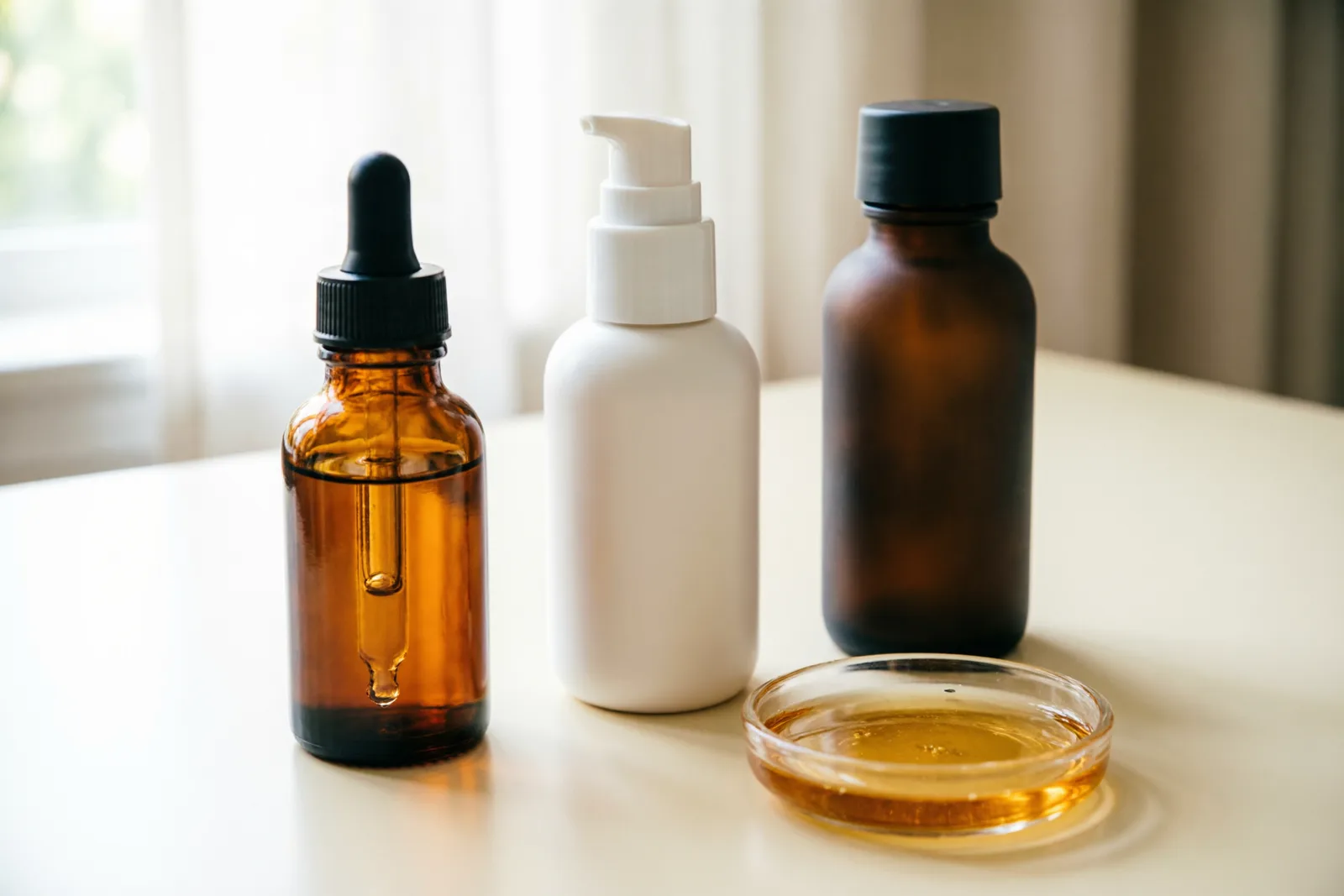
Pure L-Ascorbic Acid vs Stable Derivatives
- Pure L-Ascorbic Acid (L-AA): The biologically active gold standard with the most clinical proof. It requires a low, acidic pH (below 3.5) to penetrate the skin barrier. While highly effective at 10% to 15%, it can cause tingling or redness on sensitive or rosacea-prone skin.
- Sodium Ascorbyl Phosphate (SAP): A stable, water-soluble derivative with mild antimicrobial properties, making it an excellent choice for acne-prone skin.
- Ascorbyl Glucoside & Ethyl Ascorbic Acid: Gentle, pH-neutral derivatives that convert to ascorbic acid within the skin, ideal for beginners or reactive skin types.
Look for Protective Packaging and Synergistic Actives
- Packaging: Pure L-ascorbic acid oxidizes rapidly when exposed to air and light. Insist on dark amber glass bottles or opaque airless pump dispensers. If your serum turns dark brownish-orange, it has oxidized into dehydroascorbic acid and should be replaced.
- Stabilizing Partners: Look for formulations combining Vitamin C with Vitamin E (tocopherol) and Ferulic Acid, which double its photoprotective power and stabilize the formula.
How to Integrate Vitamin C into Your Daily Routine
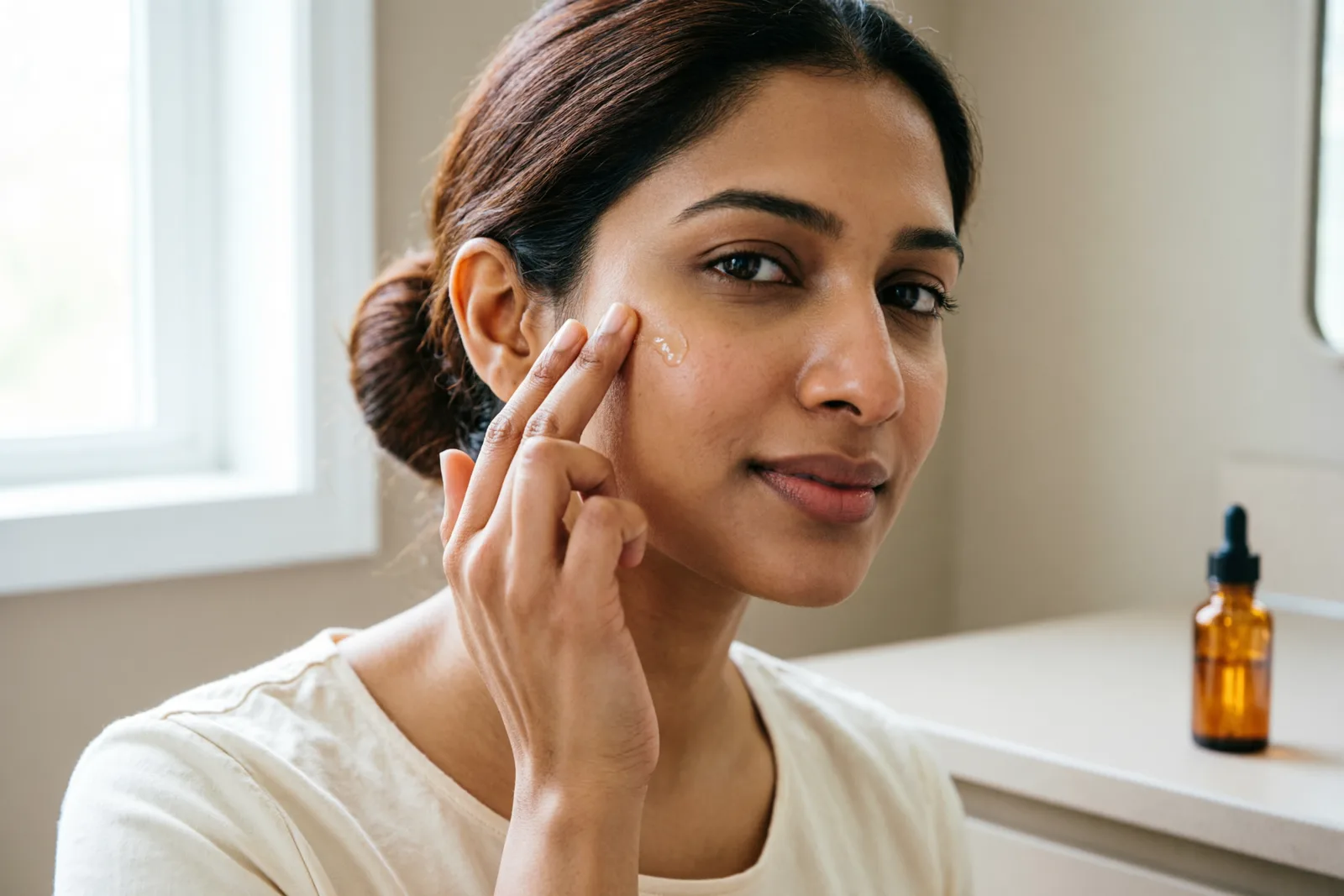
- Cleanse: Wash face with a gentle, non-stripping cleanser and pat skin dry. (Applying acidic L-ascorbic acid to soaking-wet skin accelerates absorption too rapidly, increasing stinging).
- Apply Serum: Dispense 3 to 4 drops onto dry fingertips. Smooth evenly across the forehead, cheeks, and neck with zero dragging.
- Hydrate & Seal: Follow with a lightweight hydrating moisturiser to support your lipid barrier.
- Finish with Sunscreen: Apply a nickel-sized amount of broad-spectrum SPF 30+ or SPF 50+.
Common Vitamin C Mistakes to Avoid
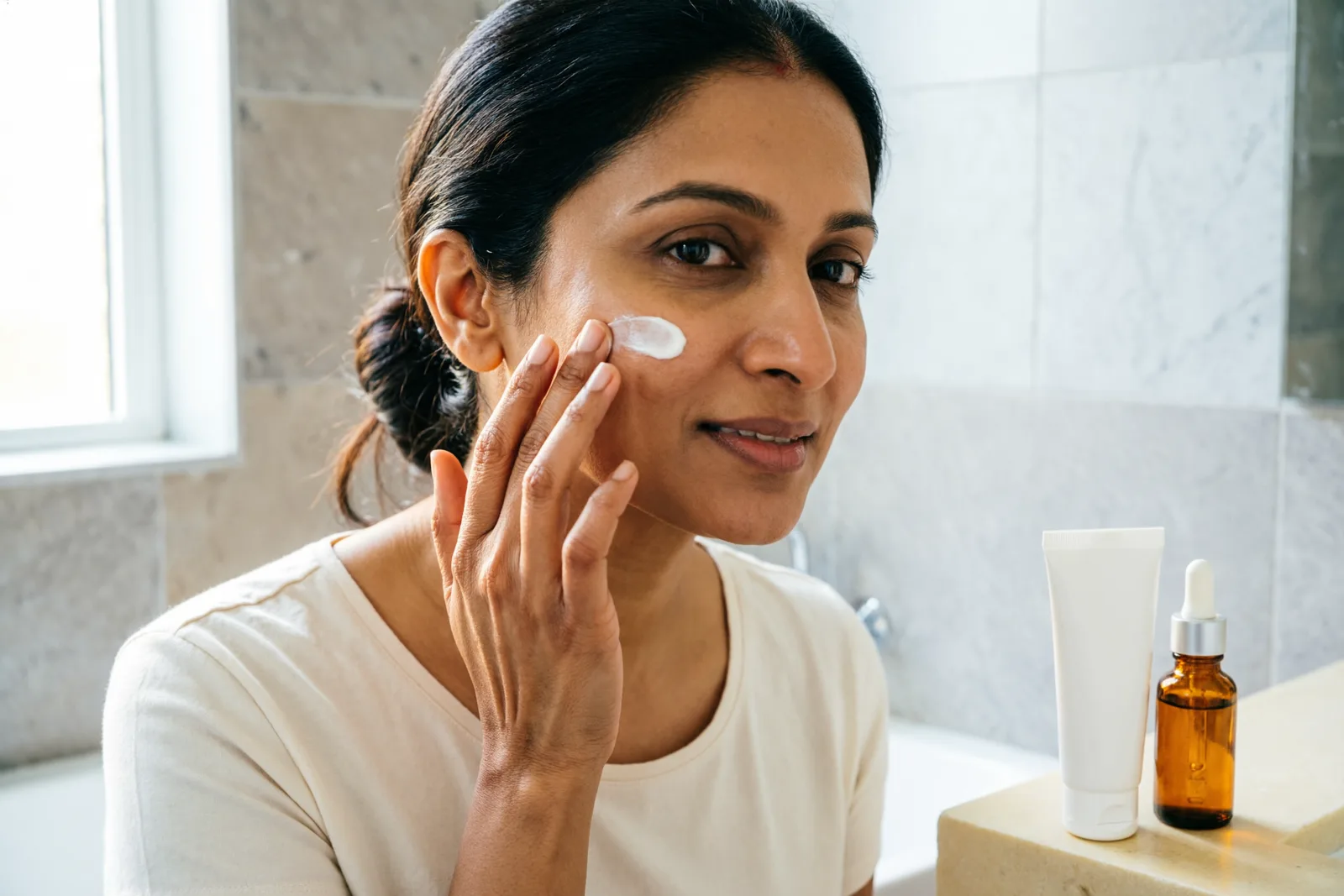
- Starting at 20% Immediately: Higher concentrations beyond 20% do not improve absorption—they only increase stinging and contact dermatitis. Start at 10% to 15%.
- Layering with Strong Exfoliating Acids in the Same Step: Avoid using strong glycolic acid (AHA) or salicylic acid (BHA) washes directly alongside acidic L-ascorbic acid. Alternate their use (e.g., Vitamin C in the morning, chemical exfoliants 2 nights per week).
- Using Oxidized Products: Applying oxidized, dark brown vitamin C can actually generate pro-oxidant free radicals and cause temporary orange staining in pores.
Conclusion
Vitamin C remains an indispensable cornerstone of preventive, evidence-based skincare. Its unique dual ability to neutralize ambient free radicals and stimulate collagen formation makes it a worthy investment for virtually every routine.
By selecting an appropriately buffered derivative or stabilized 10–15% L-ascorbic acid formula, introducing it gradually, and sealing it every morning with broad-spectrum sunscreen, you can unlock a noticeably brighter, firmer, and more resilient complexion.
Frequently Asked Questions
Does dietary vitamin C provide the same cosmetic benefits as topical serums?
While dietary vitamin C from citrus fruits, bell peppers, and leafy greens is essential for overall human health, the body tightly regulates internal blood levels. Very little orally ingested vitamin C reaches the outer epidermal layers. Topical serums provide a targeted, highly concentrated dose directly to the skin tissue.
Can vitamin C and niacinamide be used together?
Yes. The myth that vitamin C and niacinamide cancel each other out stems from outdated 1960s laboratory studies conducted under extreme heat and acid conditions that do not occur on human skin. Modern skincare formulations combine them safely and effectively.
Can vitamin C be used on deeper, melanin-rich skin tones?
Yes, absolutely. Vitamin C is extremely beneficial for deeper Fitzpatrick skin types, which are naturally more prone to post-inflammatory hyperpigmentation (PIH) after acne or insect bites. Choose a gentle 10% formula or stabilized derivative to prevent inflammatory irritation.
Can vitamin C eliminate dark circles beneath the eyes?
Only if the dark circles are primarily caused by surface hyperpigmentation or sun damage. If your under-eye darkness is anatomical (due to deep tear troughs, thin skin revealing vascular networks, or genetics), topical vitamin C will not resolve the appearance.
What should I do if my vitamin C serum causes stinging or redness?
Mild, brief tingling during the first few days can be normal with low-pH L-ascorbic acid. However, if stinging persists, causes a burning sensation, or creates red patches, rinse it off immediately. Switch to a non-acidic derivative like ascorbyl glucoside or reduce application to two mornings per week.
Related Articles
Explore more insights and stories from this category.

How to Apply Under Eye Cream: Where, When and How Much
Learn how to apply under eye cream with the right amount, placement and timing. See how to use under eye cream gently and avoid common skincare mistakes.

How to Wash Hair Properly: A Step-by-Step Guide
Learn how to wash hair with 7 simple steps, from shampooing to gentle drying. See how to wash your hair, choose wash frequency and avoid common mistakes.