How to Layer Necklaces: Easy Tips for Everyday Styling
Learn how to layer necklaces with easy tips on chain lengths, pendants and metals. See how to stack necklaces for a balanced, stylish everyday look.
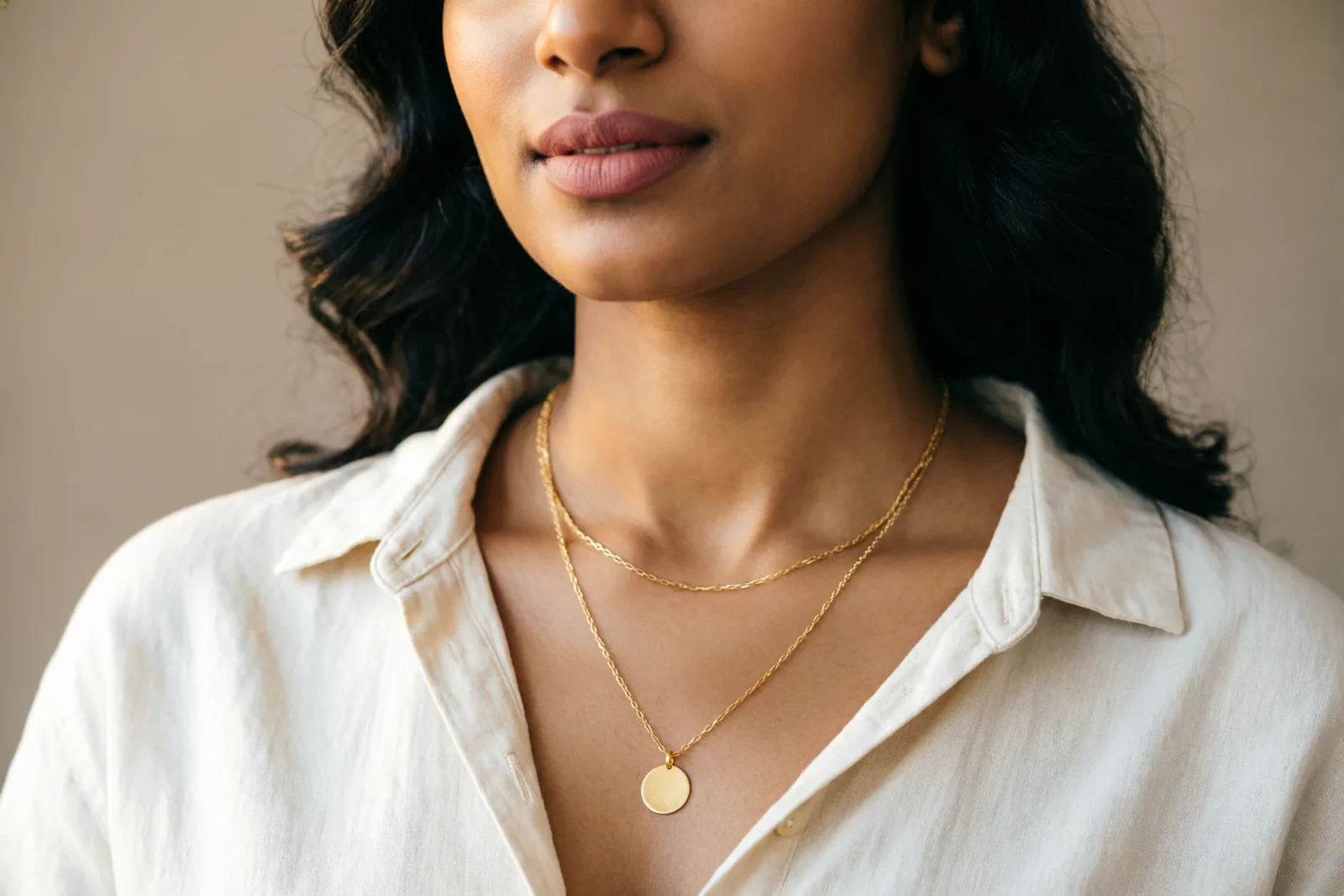
A single necklace can complete an outfit, but combining a few carefully chosen pieces can make even a simple look feel more personal. The challenge is getting the combination right. Chains can overlap, pendants may compete for attention, and different lengths do not always sit together as expected.
Learning how to layer necklaces helps you create combinations that look balanced without spending too much time getting ready. You do not need an extensive jewellery collection or matching sets to achieve this.
From choosing suitable chain lengths to mixing metals and pairing necklaces with different necklines, these practical tips will help you create stylish combinations for everyday wear.
The Golden Rule of Layering
Always establish deliberate spacing before adding statement pieces. A difference of at least 2 inches between chain lengths ensures each pendant has breathing room and prevents unsightly friction.
How to Layer Necklaces Step by Step
The easiest way to build a layered look is to start with two necklaces and introduce additional pieces only when the combination feels balanced.
1. Start with a Simple Base Necklace
Choose a delicate chain that sits comfortably near your collarbone. This forms the foundation of your combination.
A plain gold or silver chain works particularly well because it complements pendants, textured necklaces, and more decorative pieces without drawing too much attention away from your focal piece.
2. Choose Necklaces of Different Lengths
Length variation gives every necklace its own space and prevents the arrangement from appearing crowded or clumped together.
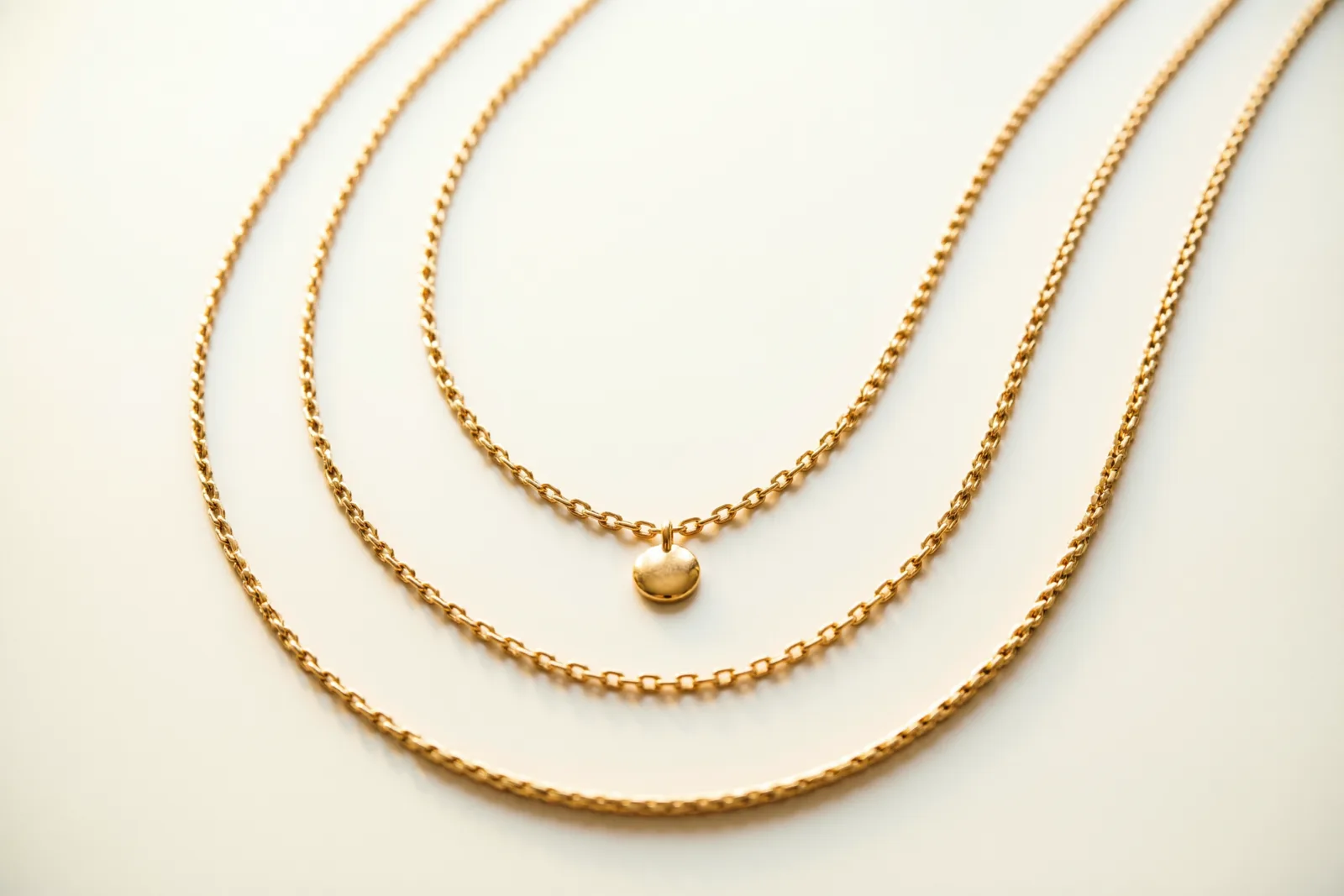
Try this proven three-layer formula:
- 14–16 inches: A short chain or collarbone choker that establishes the top neckline boundary.
- 18 inches: A medium-length chain featuring a small, refined pendant.
- 20–22 inches: A longer statement chain that draws the eye down and adds vertical depth.
These measurements are reliable starting points. The actual placement depends on your neck proportions, pendant drop length, and clothing neckline.
3. Mix Chain Textures and Thicknesses
Wearing several identical chains can make the arrangement look flat and uniform.
Instead, pair a delicate cable chain with a slightly thicker paperclip link necklace or a sleek, reflective snake chain. The subtle contrast in texture creates rich visual interest without requiring loud or heavy embellishments.
Keep one piece more prominent while allowing the flanking chains to provide rhythm and balance.
4. Add One Statement Pendant
A single pendant anchors the combination and gives your stack a natural focal point.
Choose a meaningful coin medallion, geometric charm, or subtle gemstone drop, then surround it with understated chains. Leave ample vertical space around larger pendants so their silhouette remains clear.
If you prefer multiple charms, vary their scale and resting heights rather than clustering them on the same visual plane.
5. Adjust the Layers Before Heading Out
Once your necklaces are fastened, test how they move with your body:
- Look in the mirror and turn your shoulders from side to side.
- Tilt your head to ensure the chains do not snag or bunch up immediately.
- Use chain extenders or multi-clasp spacers to fine-tune spacing between overlapping layers.
Small adjustments to length and placement often make a far bigger difference than simply adding another piece.
How to Stack Necklaces with Different Metals and Styles
Matching every jewellery piece is no longer a styling rule. Learning how to stack necklaces with contrasting finishes allows you to craft combinations full of personality.
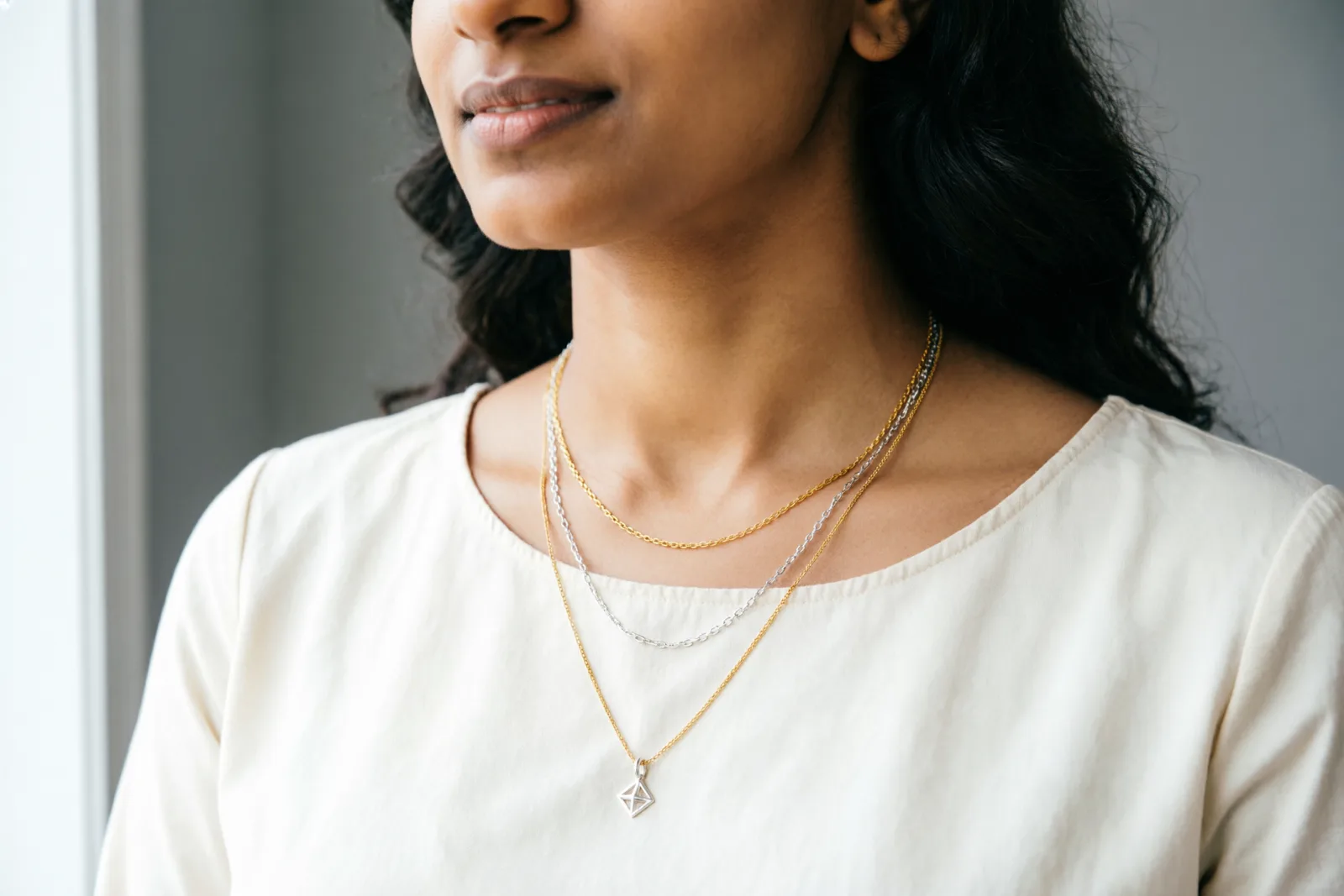
Mix Gold and Silver Naturally
Warm gold and cool silver complement each other beautifully when their weights and proportions feel intentional.
Try pairing a delicate yellow gold collar chain with a sleek sterling silver pendant. When wearing three layers, repeat one of the metal tones to create visual cohesion:
- Layer 1: 16-inch fine gold choker
- Layer 2: 18-inch silver coin pendant
- Layer 3: 20-inch gold link chain
Stylist's Tip on Two-Tone Stacking
Keep the overall styling clean and minimal. When you mix metals, avoid mixing overly complex chain textures at the same time to keep the finish sophisticated.
Combine Minimal and Statement Designs
Balance a bold, chunky chain with lightweight, whisper-thin chains. Pairing an oversized link necklace with a minimal solitaire pendant provides contrast without overwhelming your neckline.
Experiment with Mixed Materials
Freshwater pearls, delicate glass beads, and braided cords inject textural warmth into everyday metal chains:
- A small pearl choker layered with a fine gold pendant offers modern romantic elegance.
- An earthy beaded necklace paired with a slim silver chain creates an effortless weekend feel.
Everyday Necklace Layering Ideas for Different Outfits
Your clothing neckline dictates the canvas for your necklaces. Choosing lengths that harmonize with your collar prevents chains from slipping beneath the fabric or crowding your collarbone.
| Outfit / Neckline | Recommended Necklace Formula | Styling Rationale |
|---|---|---|
| Crew-neck T-shirt | 16-inch link chain + 20-inch pendant | Frames the high collar without slipping underneath |
| V-neck top | 14-inch delicate chain + 18-inch drop pendant | Echoes the triangular silhouette of the neckline |
| Button-down shirt | Dual delicate chains (16" and 18") | Sits neatly within the open collar unbuttoned two steps |
| Kurti / Ethnic top | Minimal collar chain + 22-inch medallion pendant | Lengthens the torso and balances intricate embroidery |
| Square-neck top | Choker length + structured 18-inch bar or link | Accentuates horizontal collar lines with structured geometric contrast |
| High-neck / Turtleneck | 20-inch chain + 24-inch bold pendant | Drapes cleanly over dark fabric for striking contrast |

Common Necklace Layering Mistakes and How to Avoid Them
Even high-quality jewellery can look untidy if chain spacing and weights are misjudged.
1. Wearing Too Many Chains at Once
Piling on five or six necklaces often leads to immediate tangling and visual clutter. Stick to the rule of two or three well-spaced layers for everyday wear.
2. Choosing Chains That Sit Too Close Together
Chains with less than 1.5 inches of separation will inevitably slide into each other as you walk, concealing pendants and creating uneven bunches.
3. Overlooking Tangling and Friction
Fine chains of identical weight tend to wrap around each other throughout the day. To prevent this:
- Pair a heavier link chain with a lighter pendant chain so gravity holds each in its own position.
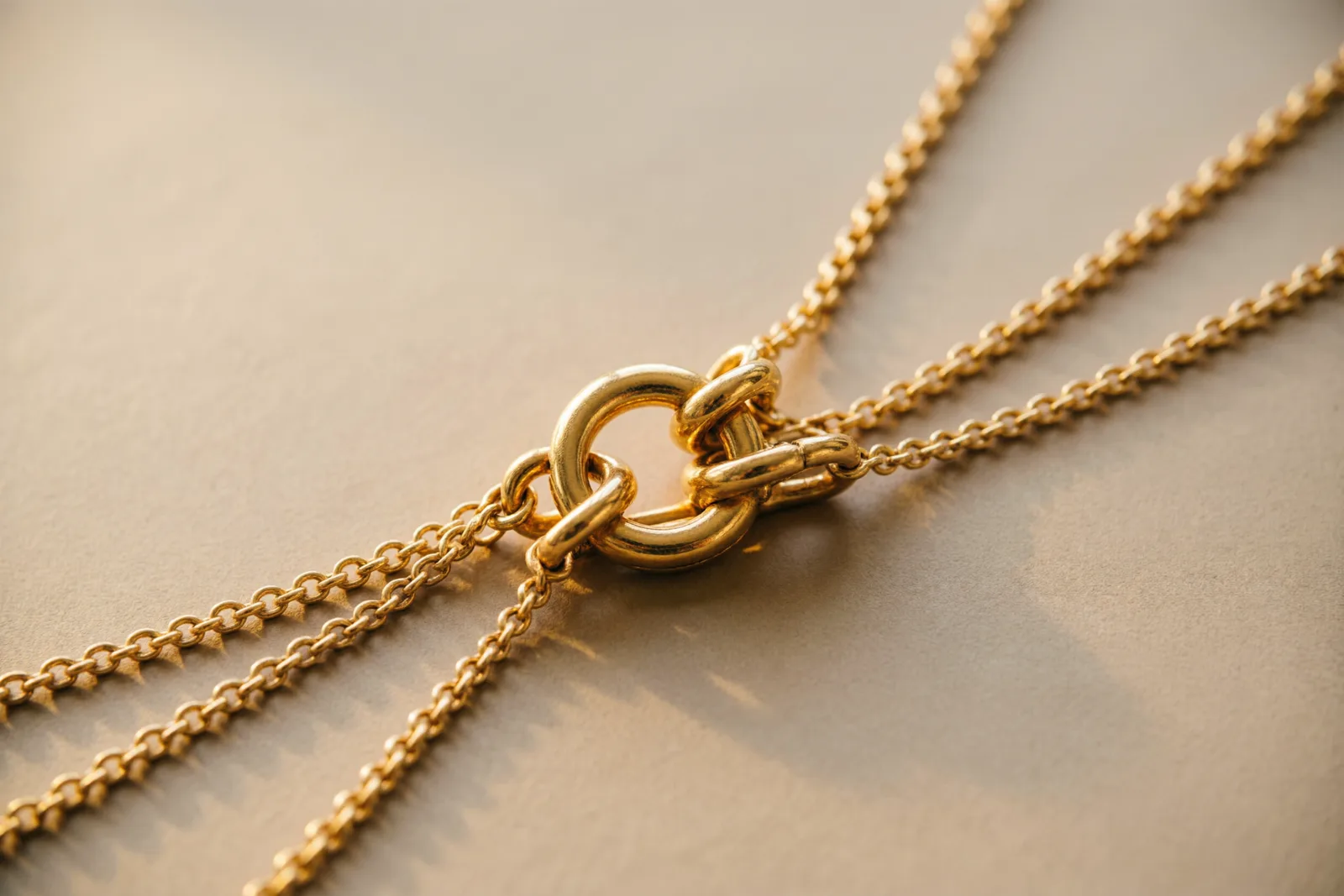
- Use a multi-strand layering connector that clasps all strands at the back of the neck in fixed, separated slots.
4. Sacrificing Daily Comfort
Excessively heavy pendants or tight chokers can strain your neck over an eight-hour day. Always prioritize lightweight, hypoallergenic metals and remove layered stacks before sleeping, exercising, or swimming.
Conclusion
Creating a balanced necklace combination becomes second nature once you understand length, proportion, and visual hierarchy. Begin with a comfortable collarbone chain, introduce a second piece with gentle length separation, and play with subtle variations in metal and texture.
With a few versatile chains in varying lengths, you can refresh your favourite shirts, dresses, and ethnic wear effortlessly every single day.
Frequently Asked Questions
Can you layer necklaces with different clasp types?
Yes. Spring ring, lobster claw, and toggle clasps can easily be worn together. Fastening them using a multi-strand necklace spacer aligns all ends cleanly at the back of the neck and prevents individual clasps from migrating toward your collarbone.
Can you layer necklaces with a mangalsutra?
Yes. A modern, minimalist mangalsutra pairs gracefully with a delicate 16-inch choker or a longer 20-inch pendant chain. Ensure the secondary necklaces have simple silhouettes so they frame the mangalsutra without competing with its central auspicious motifs.
Can you wear layered necklaces if you have a short neck?
Yes. Choose open necklines like V-necks or scoop collars, and focus on longer drops (18 inches and 22 inches) with slender vertical pendants. This creates an elongating visual line that flatters your natural proportions.
How should you store layered necklaces to prevent knots?
Fasten each necklace clasp after taking it off and store chains individually in separate fabric pouches, soft-lined compartments, or hanging necklace stands. Never bunch unclasped chains together in a drawer.
Can you layer necklaces with different gemstones?
Yes, provided one stone serves as the dominant anchor. Combine one distinctive gemstone pendant (like turquoise or emerald) with simpler plain metal chains or subtle diamond pavé accents to maintain balanced visual elegance.
Related Articles
Explore more insights and stories from this category.
How to Wash Pleated Clothes Without Losing Their Shape
Learn how to wash pleated clothes gently, from checking care labels to drying without damage. Find out how to wash a pleated dress and protect its folds.

How to Style a Plus-Size Pleated Skirt: Outfit Ideas
Learn how to style a skirt with plus-size pleated outfit ideas for work, weekends and parties. See how to wear a skirt with the right tops and shoes.