How to Wash Pleated Clothes Without Losing Their Shape
Learn how to wash pleated clothes gently, from checking care labels to drying without damage. Find out how to wash a pleated dress and protect its folds.
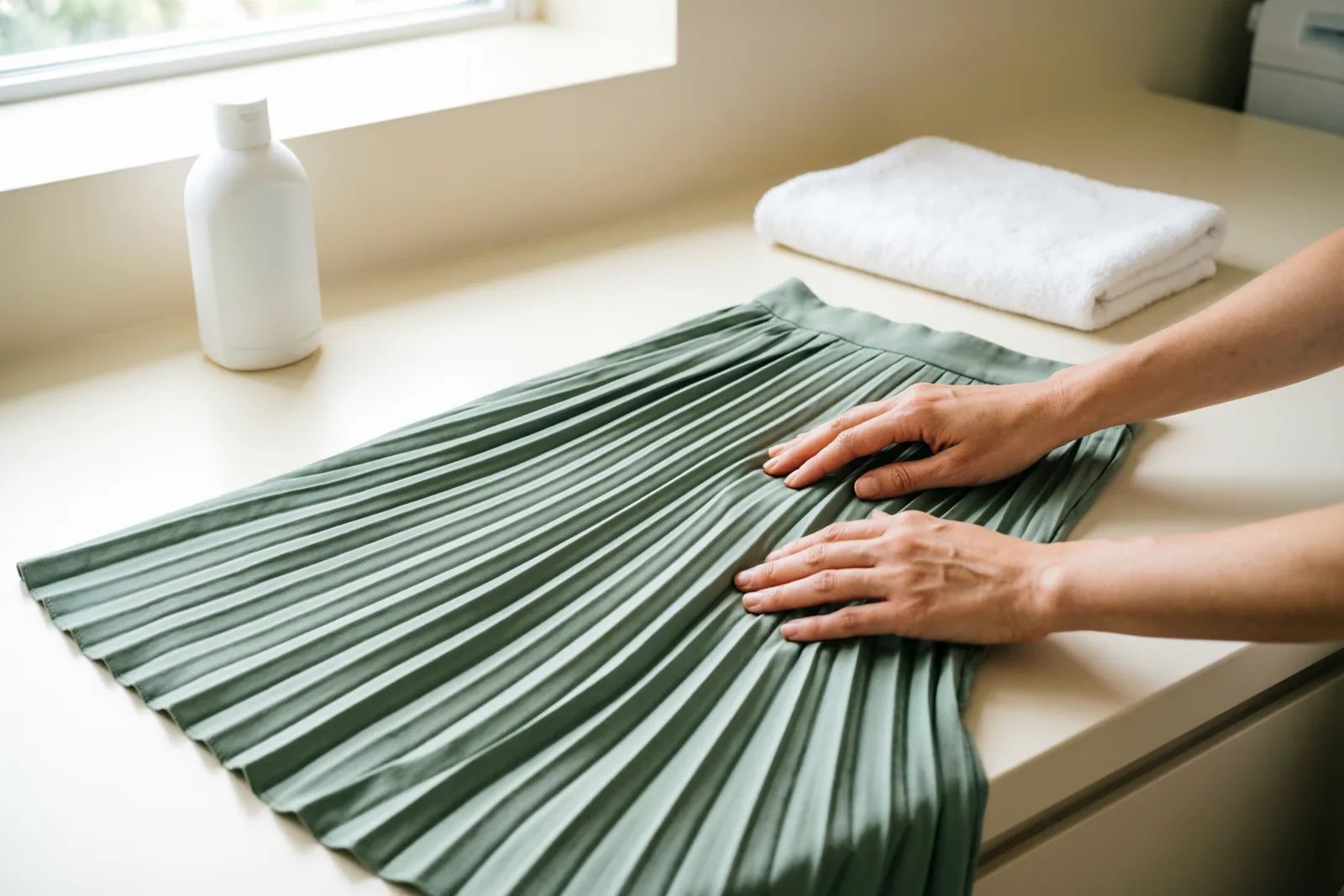
Pleated clothes look effortless and sophisticated until laundry day arrives. One careless wash cycle can leave an accordion skirt uneven, a flowing dress twisted, or tailored trousers with flattened, lifeless folds. Yet avoiding the wash entirely is not practical when these garments are part of your regular wardrobe rotation.
Learning how to wash pleated clothes starts with one non-negotiable step: understanding the care label. Some heat-set synthetic pleats handle gentle home washing with ease, while natural fibres or couture finishes require professional dry cleaning. A single blanket laundry method will never suit every pleated piece.
This practical guide breaks down safe preparation, gentle hand-washing, machine-wash safeguards, and drying techniques for skirts, dresses, and trousers so your favourite pleats stay crisp and beautiful wash after wash.
The Golden Rule of Pleat Maintenance
Never wring, twist, or tumble-dry pleated garments. High heat and mechanical friction permanently melt or deform synthetic pleat ridges and flatten natural fiber folds.
Check the Fabric and Care Label Before Washing
Before introducing any pleated garment to water, examine its fibre content and cleaning symbols carefully.
- Synthetic Fabrics (Polyester, Nylon): Most modern pleated skirts are crafted from polyester that has been permanently heat-set. These can generally be washed at home using cool water on gentle settings.
- Natural Fibres (Cotton, Linen, Silk): These fibres absorb moisture, which relaxes the crimp of the pleats. Hand washing or dry cleaning is often mandatory to avoid losing structure.
- Blended & Lined Garments: Even if the outer shell is polyester, delicate viscose linings or elastic waistbands might behave differently when wet.
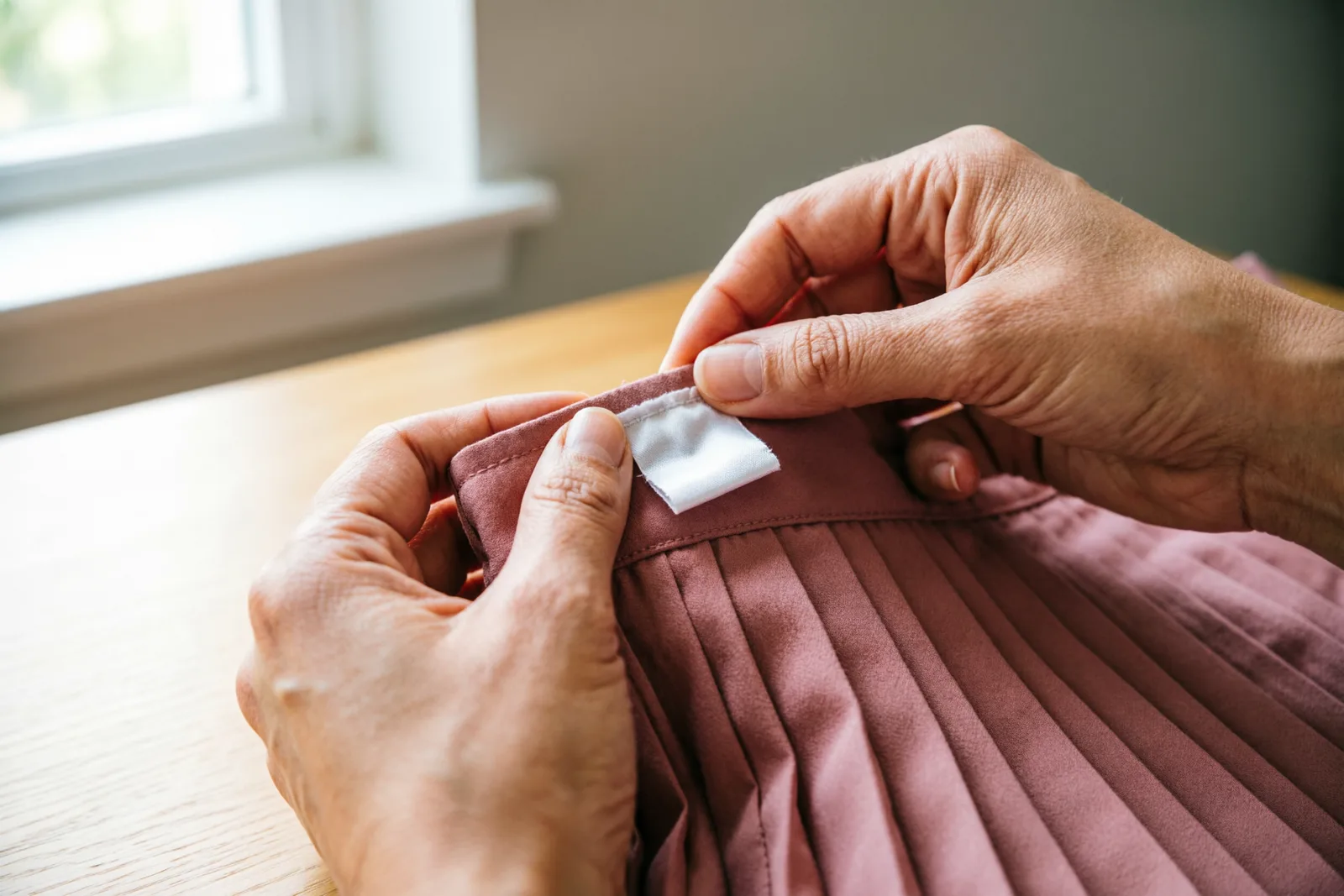
Always respect the garment manufacturer's instructions:
- "Dry Clean Only": Do not experiment at home, especially with structured, pleated formal wear or designer accordion skirts.
- "Hand Wash Cool": Use a basin with mild liquid detergent and zero agitating friction.
- "Machine Wash Gentle": Use a mesh bag and the lowest available spin speed.
How to Wash Pleated Clothes Gently Step by Step
Friction and rough mechanical spinning are the primary culprits behind ruined pleats. Follow these proven methods to clean your garments safely:
Gentle Hand-Wash (The Safest At-Home Method)
Hand-washing gives you total control over water temperature and fabric handling:
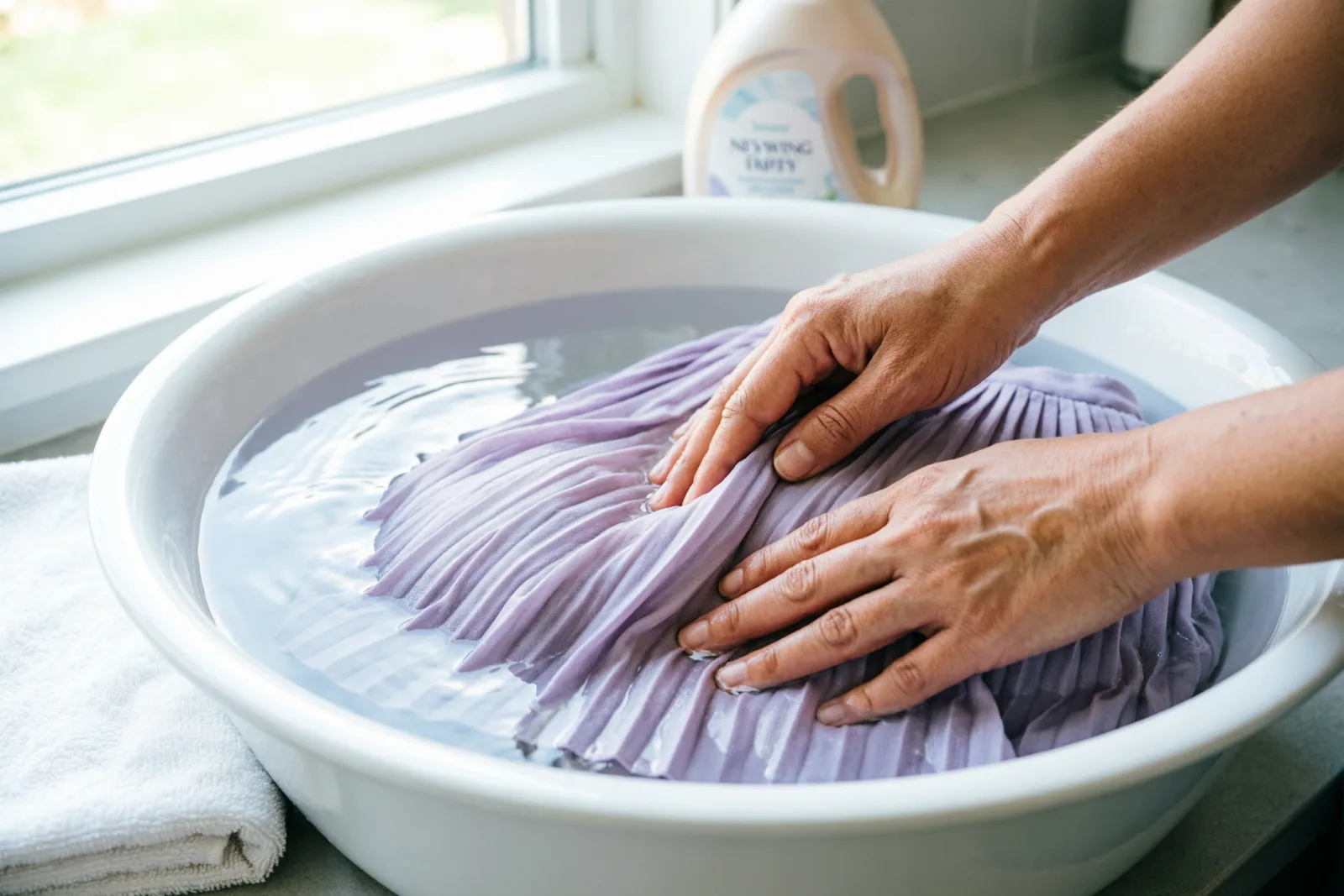
- Prepare the Basin: Fill a clean basin or sink with cool or lukewarm water. Dissolve a small capful of mild, non-biological liquid detergent.
- Submerge without Pulling: Place the garment gently into the water. Support its weight from underneath so the heavy, waterlogged fabric does not stretch out the waistband.
- Gentle Pressing Action: Lightly press the fabric downward into the soapy water. Never rub, scrub, or twist the folds against each other.
- Rinse with Cool Water: Drain the soapy water and refill with clean cool water. Press the garment repeatedly until all soap residue is flushed away.
- Drain Excess Water: Lift the garment with both hands. Gently press it against the side of the basin to release excess moisture. Never wring the fabric.
Machine-Wash Safeguards (When Permitted by the Label)
If your polyester garment is labelled machine-washable, implement these essential protective steps:
- Button and Zip: Fasten all hooks, buttons, and zippers to prevent them from snagging against neighbouring pleats.
- Use a Roomy Mesh Laundry Bag: Align the pleats lengthwise and slide the garment into a large, zippered mesh washing bag. This prevents the skirt from twisting around the washing machine drum.
- Select the Delicate Cycle: Set your machine to "Delicates" or "Hand Wash" with cold water (30°C or below).
- Minimize Spin Speed: Reduce the spin cycle to 400–600 RPM. A high-speed spin cycle will forcefully press pleats in conflicting directions, leaving harsh creases.
- Remove Immediately: As soon as the cycle ends, take the garment out to prevent damp pleats from wrinkling in the drum.
Fabric Care by Garment Type: Skirts, Dresses & Pants
Different garments have unique construction features that require targeted care:
| Garment Type | Key Vulnerability | Recommended Laundry Technique |
|---|---|---|
| Pleated Midi Skirts | Waistband stretching & uneven hem folds | Support waistband; hand wash or mesh bag; hang dry by waistband clips |
| Pleated Dresses | Heavy wet skirt pulling down delicate bodice | Wash supported in basin; dry flat on clean towels to avoid shoulder stretch |
| Pleated Pants / Trousers | Crease loss along front leg seams | Fasten closures, align leg creases together, air-dry over a rounded hanger bar |
How to Wash a Pleated Dress
Because long dresses carry significant water weight when soaked, hanging a dripping wet dress can stretch delicate shoulder straps or warp the bodice. Support the wet skirt with both hands, lay it flat between clean white towels to blot moisture, and let it dry flat.
How to Wash Pleated Pants
Distinguish between permanently heat-set pleats and tailored ironed creases. Tailored trouser creases benefit from dry cleaning and professional pressing, whereas permanent synthetic front pleats simply need cool washing and hang drying.
How to Keep Pleats Crisp After Washing
Drying and storing are just as crucial as the wash itself for preserving crisp folds:
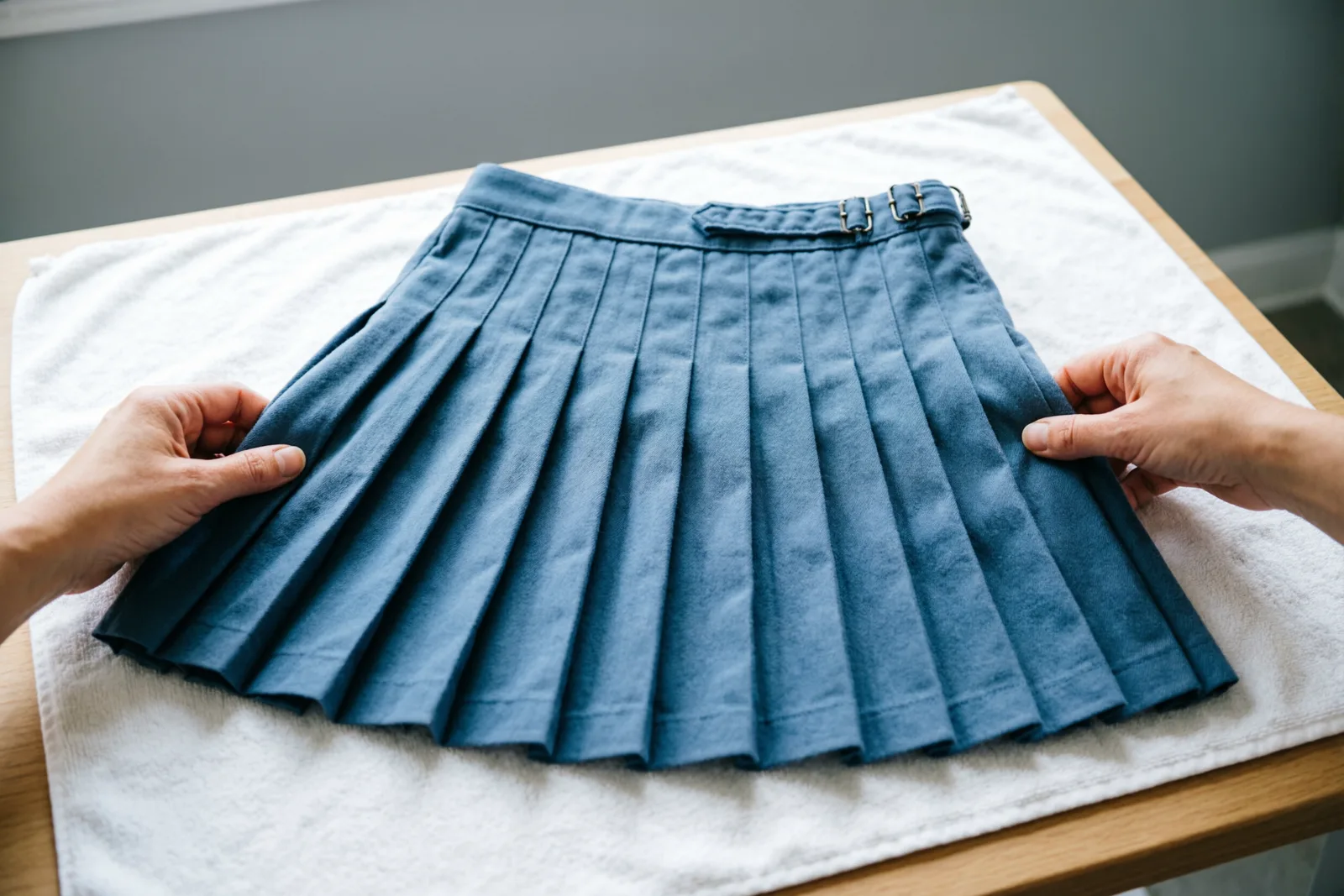
1. Reshape While Damp
Right after washing, lay the damp garment on a clean, dry towel. Use your hands to gently finger-press each pleat back into its natural vertical line. Guiding the pleats while damp sets their memory as the fibres dry.
2. Never Use a Tumble Dryer
The hot air and tumbling drum of a dryer will warp pleats within minutes. Always air-dry in a well-ventilated, shaded space away from direct sunlight, radiators, or heating vents.
3. Handle Steam and Ironing with Extreme Caution
- Heat-set synthetic pleats: Never apply a direct hot iron. Direct heat can melt synthetic fibres and permanently flatten ridges.
- If ironing is permitted on the label: Turn the garment inside out, use a low synthetic setting, place a damp pressing cloth over the fabric, and press lightly along the direction of the pleats.
- Vertical Hand Steamer: For stubborn wrinkles, hold a garment steamer 6–8 inches away and steam vertically from top to bottom. Allow the garment to cool completely before touching the pleats.
4. Smart Wardrobe Storage
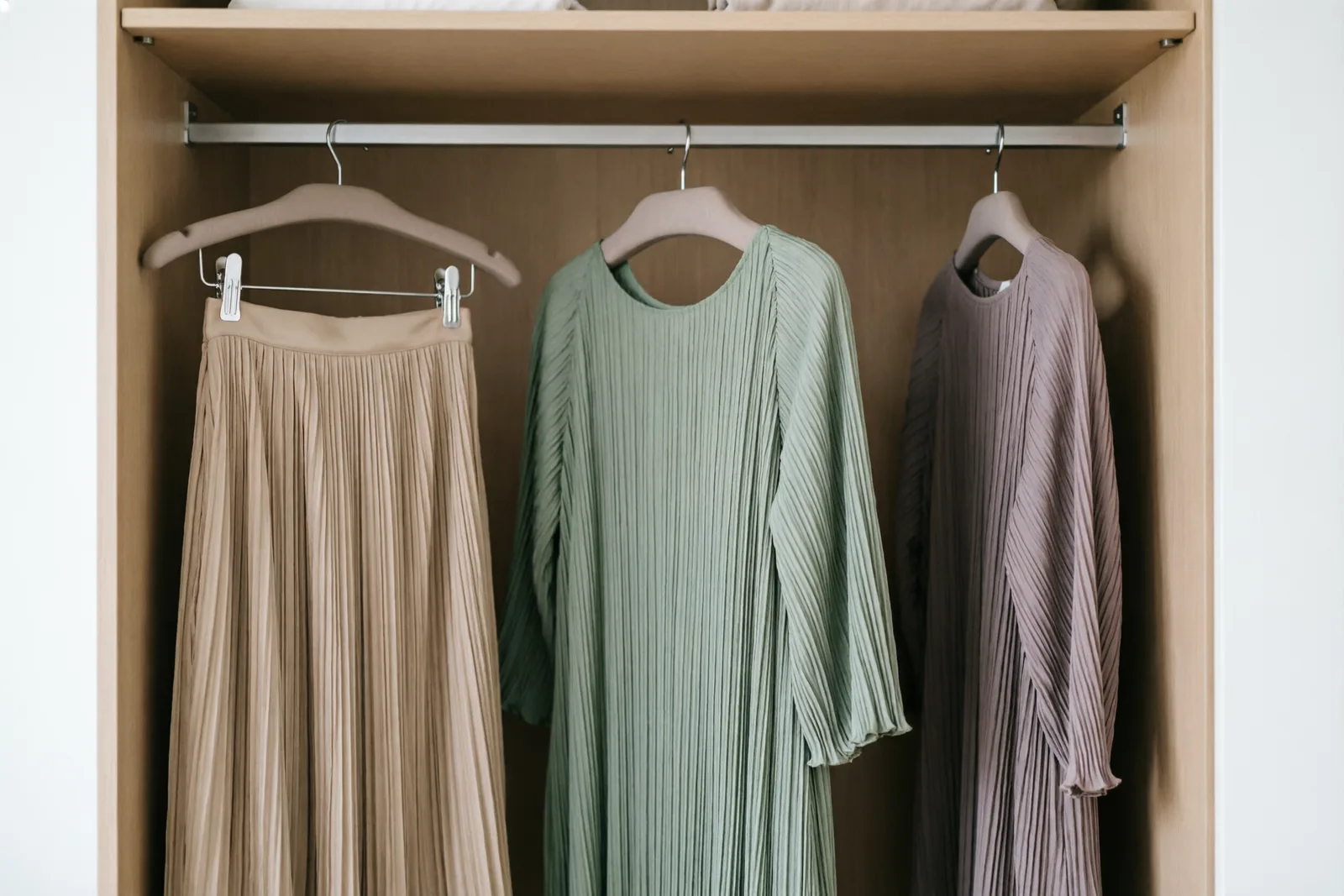
- Hang pleated skirts using padded clamp hangers that grip the waistband evenly.
- Avoid cramming your wardrobe; leave 2–3 inches of breathing room between garments so neighbouring coats and jackets do not crush the folds.
- When travelling, loosely roll the skirt from waist to hem along the direction of the pleats and pack it at the very top of your suitcase.
Conclusion
Caring for pleated garments is simple once you replace harsh mechanical washing with gentle pressing and proper air-drying. Always verify the care label first, wash with cool water, guide the damp folds into place, and store with ample wardrobe space.
With these easy habits, your pleated skirts, dresses, and trousers will maintain their fluid motion and crisp silhouette for years to come.
Frequently Asked Questions
Can I use fabric softener on pleated clothes?
Generally, no. Fabric softeners coat fibres with a lubricating film that can weigh down fine accordion pleats and reduce their natural crispness. Stick to a mild liquid detergent.
How do I remove a small stain without washing the whole skirt?
Spot clean immediately using a soft microfibre cloth dampened with cool water and a drop of gentle liquid detergent. Dab and press gently; never scrub across the pleat folds, as friction can cause pilling or fold distortion.
Will heat-set permanent pleats last forever?
Heat-set pleats in 100% polyester are very durable, but they can still degrade if exposed to high dryer heat, hot irons, or aggressive wringing. Following cool wash guidelines ensures they retain their crispness indefinitely.
Can I fix pleats that have become flattened or uneven?
If the fabric is iron-safe (like cotton or wool blends), you can pin the pleats to an ironing board, lay a damp pressing cloth over them, and press each fold individually. However, for delicate synthetics or complex plissé, take the garment to a professional dry cleaner who offers re-pleating services.
How should I pack pleated clothing in a suitcase?
Gently fold the garment in half lengthwise along the pleats, roll it loosely from waist to hem, and slide it into a protective garment sleeve. Place it at the top of your luggage so heavy shoes and toiletry bags do not crush the folds.
Related Articles
Explore more insights and stories from this category.
How to Style a Plus-Size Pleated Skirt: Outfit Ideas
Learn how to style a skirt with plus-size pleated outfit ideas for work, weekends and parties. See how to wear a skirt with the right tops and shoes.

How to Style a Denim Skirt: 5 Outfit Ideas for Any Occasion
Learn to style a denim skirt for brunch, work and dinner with five wearable looks. Explore denim skirt outfit ideas, from tops and shoes to accessories.