How to Keep Your Headband in Place: No-Slip Styling Tips
Learn how to keep your headband in place with simple fit, texture and placement tips. See how to keep headband from slipping and style it for daily wear.

A headband can instantly elevate open hair, lift a relaxed ponytail, and add a polished editorial finish to even the simplest outfit. The frustration begins when it constantly slides back, pinches behind the ears, or demands endless readjustments throughout the day.
If you want to know how to keep your headband in place, the secret lies in four foundational factors: proper fit, light hair texture, strategic placement, and selecting a hairstyle that naturally anchors the band. This guide covers actionable no-slip styling tips for daily wear, alongside effortless ideas for fine, thin, and long hair.
The Stylist's No-Slip Rule
Never slide a headband over completely slick, freshly conditioned hair. Adding subtle grit and matte texture at the crown creates microscopic friction that keeps the band anchored all day.
Why Does Your Headband Slip?
A headband typically shifts because the underlying hair surface is too silky or slippery. Freshly washed hair, natural scalp oils, smooth satin fabrics, and loose frames all diminish grip. Furthermore, positioning the band too far back from the hairline deprives it of structural anchorage.
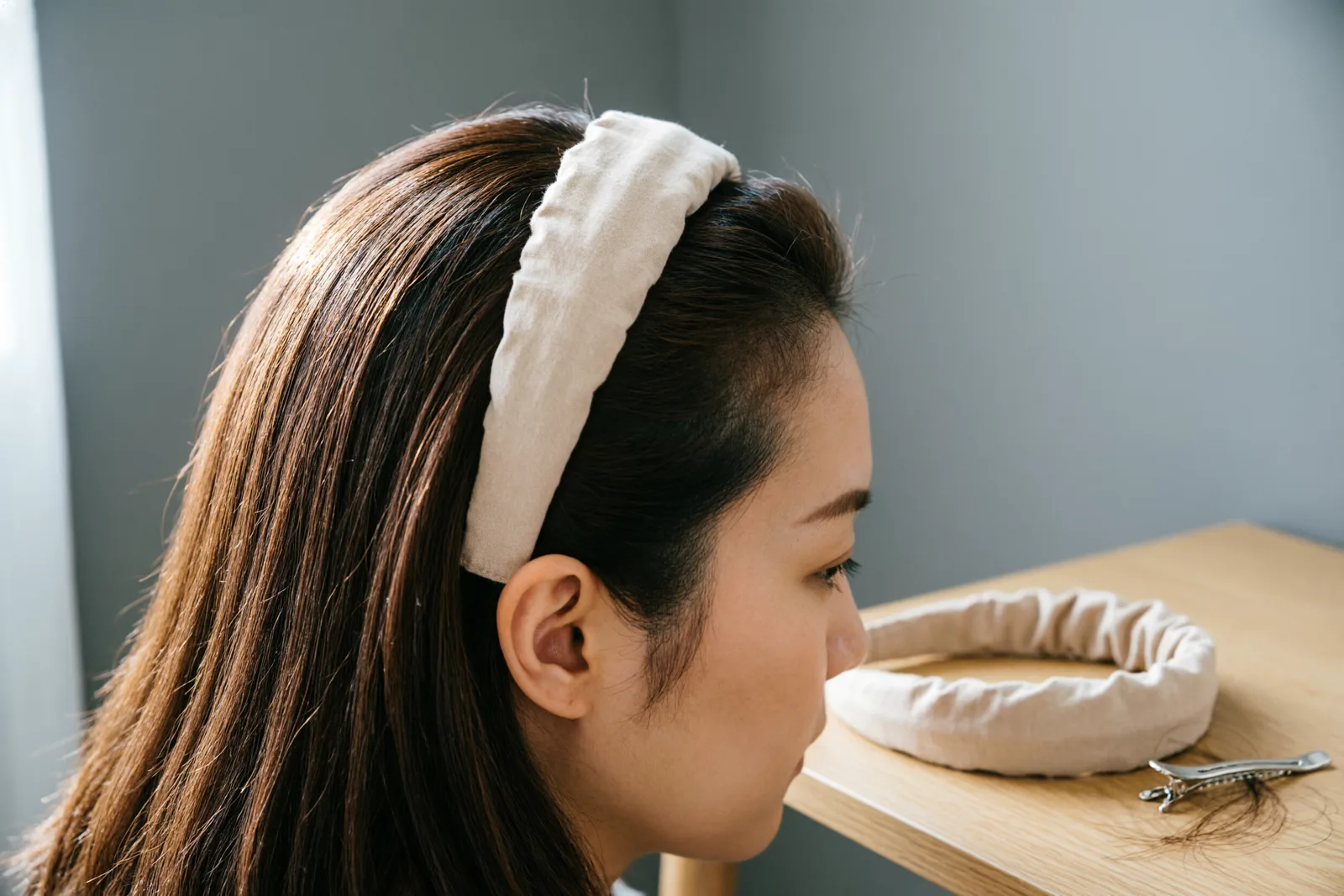
Tension and Ergonomics
Comfort directly impacts stay-put performance:
- Overly Tight Bands: While they seem secure initially, rigid narrow frames exert excessive pressure behind the ears, eventually levering themselves upward and causing headaches.
- Overly Loose Bands: Lacking adequate spring tension, they lack sufficient grip to stay stationary against gravity.
- The Ideal Balance: Look for flexible frames lined with textured velvet, grosgrain ribbon, or soft silicone comb teeth.
How to Keep Your Headband in Place Without Heavy Styling
You do not need stiff hairsprays or complex updos to achieve lasting hold. Minor, targeted adjustments provide reliable grip while keeping your hair looking soft and touchable.
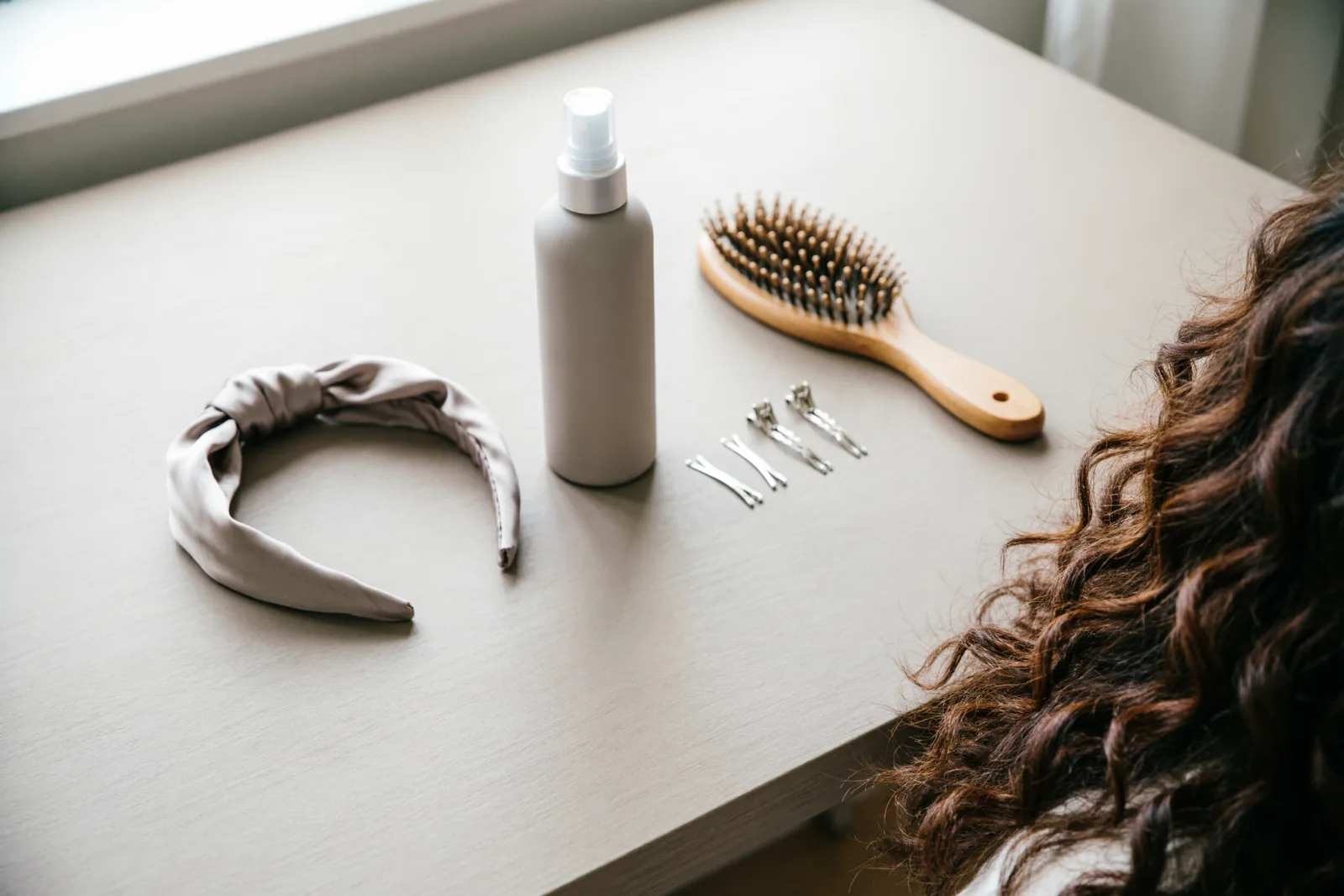
1. Build Grip with Dry Shampoo or Texturizing Spray
Apply a light mist of dry shampoo or sea salt spray directly to the crown and root line where the headband will rest. Allow it to settle for thirty seconds, then gently massage with fingertips. This provides a soft, matte texture that prevents smooth strands from slipping underneath the band.
2. The Crossed Bobby Pin Anchor
If your band still tends to shift:
- Slide two small bobby pins behind each ear in an "X" configuration.
- Match the pin colour precisely to your hair shade (bronze for brunette, gold for blonde, black for dark hair) so they remain completely invisible.
- For fabric-covered or padded bands, anchor the pin directly through the lower interior ribbon.
3. Check the Angle and Placement
Position the headband directly along your hairline first, then push it backward by only one to two centimetres. This gentle back-pushing motion gathers a tiny ridge of hair that naturally holds the accessory forward.
Placement Check
Avoid wearing hard headbands too far back toward the crown unless your hair is styled in voluminous waves. Smooth hair lacks the traction needed to support a crown-placed band.
Headband Types & No-Slip Techniques
| Headband Style | Common Challenge | Best Grip Solution | Recommended Occasion |
|---|---|---|---|
| Slim Metal / Resin Band | Pinches behind ears, slides | Silicone ear cushions, texturizing spray | Work, tailored office wear, sleek updos |
| Padded Velvet / Silk Band | Slides backward on clean hair | Criss-cross bobby pins behind ears | Brunches, weddings, date nights |
| Wide Stretchy Fabric Wrap | Rolls up at the nape | Anchor with mini bobby pins beneath ears | Workouts, errands, travel, casual days |
| Turban / Knotted Band | Can feel front-heavy | Balance with low bun or textured waves | Smart-casual edits, holiday styling |
How to Style Headbands for Everyday Looks
Mastering headband styling is not just about stability; it is about harmonizing the accessory with your wardrobe and hairstyle.
Work and Professional Settings
A slim leather, faux-tortoiseshell, or velvet band adds understated structure to tailored blazers, collared shirts, and trench coats. Pair it with a sleek low ponytail or neatly parted hair tucked behind the ears for a focused, professional silhouette.
Weekend Casual & Coffee Runs
A relaxed linen wrap or woven knotted headband effortlessly elevates simple jeans-and-knitwear days. Soft face-framing tendrils left loose in front of the band keep the look relaxed and youthful rather than rigid.
Evening & Festive Outings
Embellished pearl headbands, rich jewel-toned velvets, or metallic knotted designs bring high-impact elegance to evening slip dresses and festive attire. Pair with loose, brushed-out waves to give the band a romantic, organic foundation.
Tips for Long Hair and Thin Hair
Different hair textures and lengths require distinct styling considerations to keep hair accessories balanced.
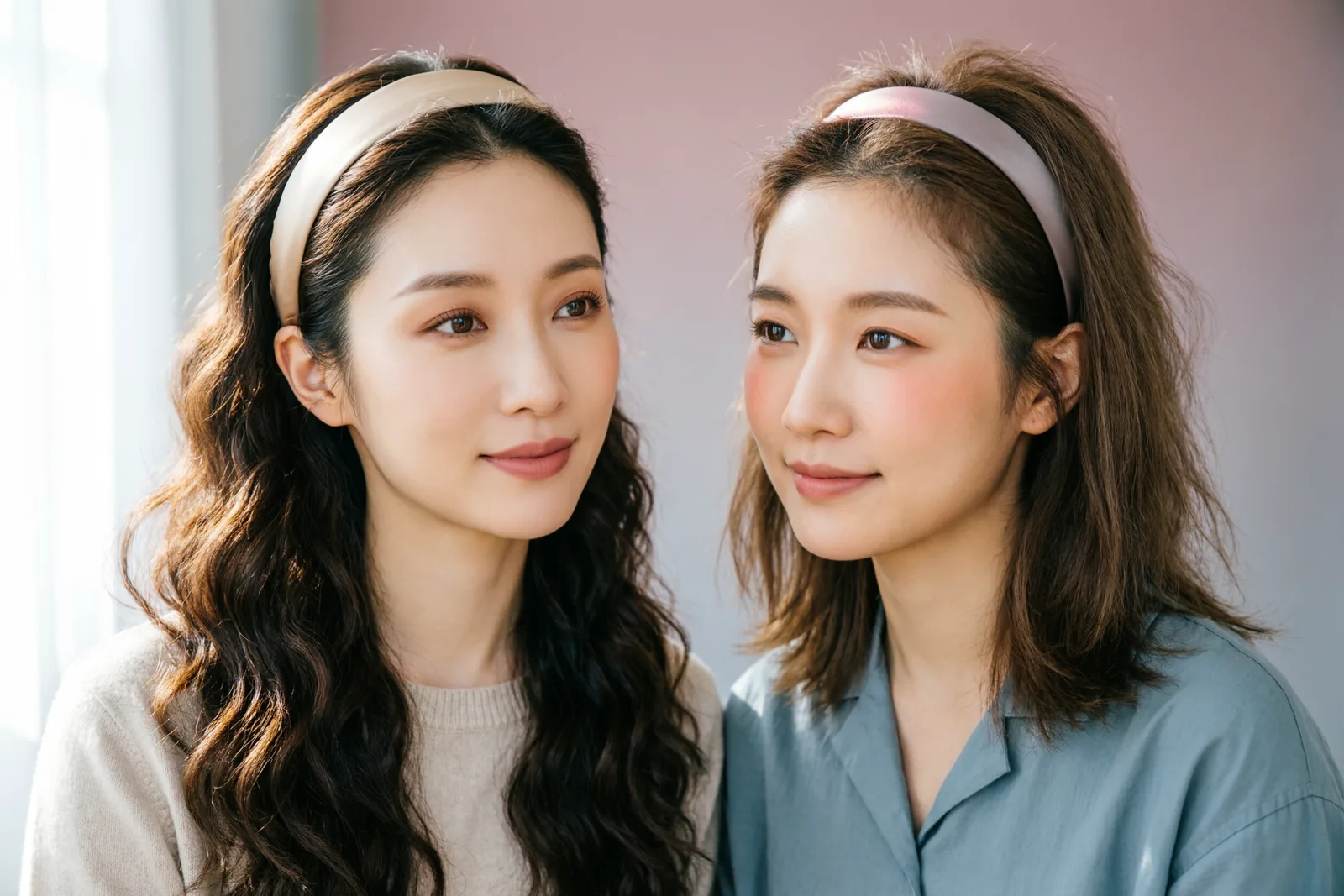
Styling with Long Hair
Long hair creates weight that can drag headbands backward:
- When wearing hair down, introduce loose waves or curling-iron bends before positioning the headband to prevent sliding.
- If tying hair into a ponytail or bun, assemble the hairstyle first, secure it firmly with an elastic, and add the headband last.
Styling with Fine or Thin Hair
Fine hair naturally has a sleeker surface and less root density:
- Opt for lightweight, slim-to-medium bands. Avoid excessively heavy padded styles that can overwhelm delicate hair proportions.
- Lightly backcomb a section of hair just behind the crown to create natural elevation and an anchor shelf for the headband.
Conclusion
Keeping your headband in place comes down to thoughtful preparation: choosing comfortable frame shapes, building slight root grip, positioning the band near the hairline, and using discreet pin anchors when needed. Once you eliminate constant slipping, you can enjoy this versatile accessory with complete confidence, taking your hairstyles from simple to effortlessly styled in seconds.
Frequently Asked Questions
How do you wear a headband without flattening your hair?
Gently lift and tease the hair at the crown before putting on the headband. Avoid pressing the frame down hard onto the scalp; instead, slide it back lightly and gently tug the hair above the band upward with a comb tail to restore volume.
How to get a headband to stay on your head during workouts?
For workouts, choose sweat-wicking elastane or wide cotton bands with internal silicone grip strips. Position the band low across the forehead, right at the hairline, to prevent it from creeping up during high-intensity movement.
How to wear a headband with long hair for events?
Pair the headband with polished soft waves, a low chignon bun, or a sleek ponytail. Keep earrings delicate and balanced so the overall accessory silhouette feels cohesive rather than cluttered.
How to wear a headband with thin hair without gaps?
Use dry shampoo to boost texture, and stick to slim or medium-width designs. Very wide or heavy padded bands tend to part fine strands, exposing the scalp.
Can I use pins and still keep the look natural?
Yes. Use miniature bobby pins that match your exact hair colour and slide them discreetly behind the earlobes or beneath the fabric lining. They provide invisible hold without altering the visual silhouette.
Related Articles
Explore more insights and stories from this category.
How to Wash Pleated Clothes Without Losing Their Shape
Learn how to wash pleated clothes gently, from checking care labels to drying without damage. Find out how to wash a pleated dress and protect its folds.
How to Style a Plus-Size Pleated Skirt: Outfit Ideas
Learn how to style a skirt with plus-size pleated outfit ideas for work, weekends and parties. See how to wear a skirt with the right tops and shoes.