Backpack Buying Guide for Women: Style, Comfort & Function
Use this backpack buying guide to compare fit, size and features. Get top backpacks tips and a stylish backpack guide for work, travel and daily use.
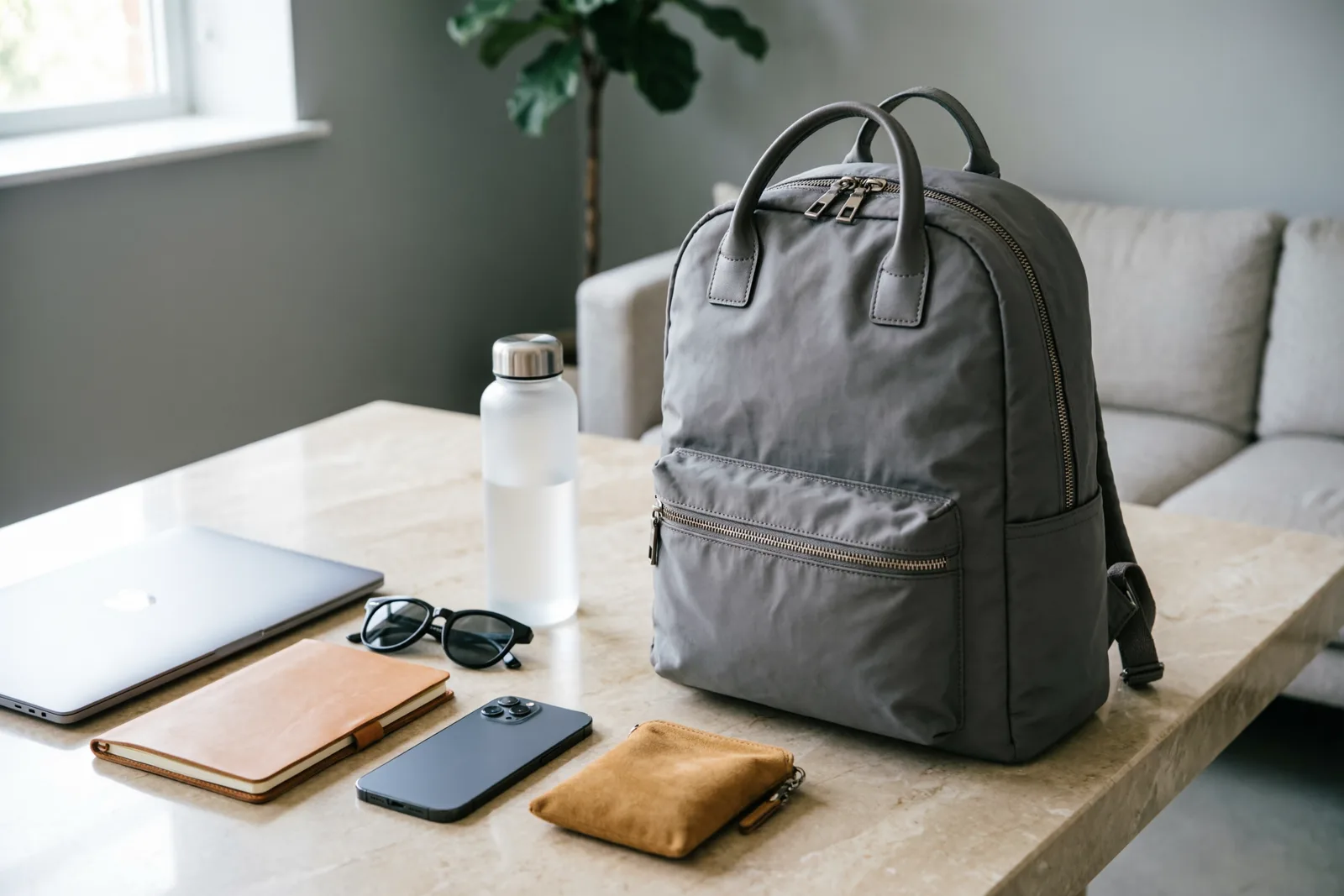
A backpack should do far more than hold your belongings. It needs to sit comfortably on your shoulders, keep your tech secure, support your daily commute, and look intentional alongside the clothes you wear every day.
That is where a practical backpack buying guide becomes essential. Instead of choosing solely by colour or silhouette, evaluate capacity, ergonomic strap comfort, smart pocket organization, fabric resilience, and how the bag behaves once fully loaded. A professional carrying a laptop through city transit requires a very different pack than someone packing for weekend travel or running afternoon errands.
This guide breaks down every detail so you can choose a backpack that feels weightless, looks polished, and supports your lifestyle seamlessly.
The Golden Rule of Backpack Selection
Form follows function, but good design integrates both. A bag that looks chic on the rack is worthless if it strains your neck after twenty minutes of walking. Always fit the bag to your daily load first.
Backpack Buying Guide: Start with How You Will Use the Bag
Before comparing fabrics or hardware finishes, define what the backpack must carry and where you will take it most often. Identifying your primary use case prevents you from buying a silhouette that feels impractical by next week.
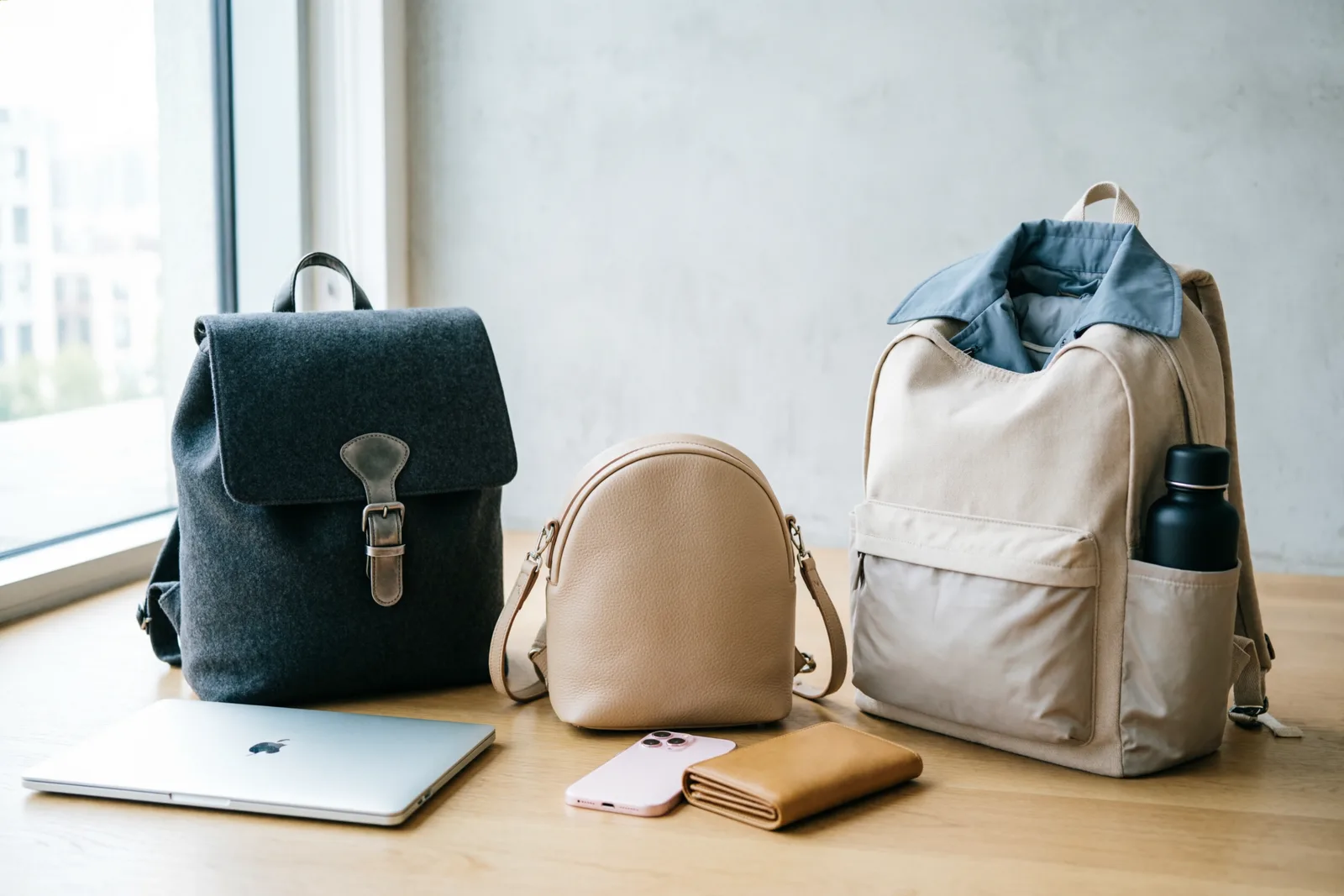
For Work, Campus & Commuting
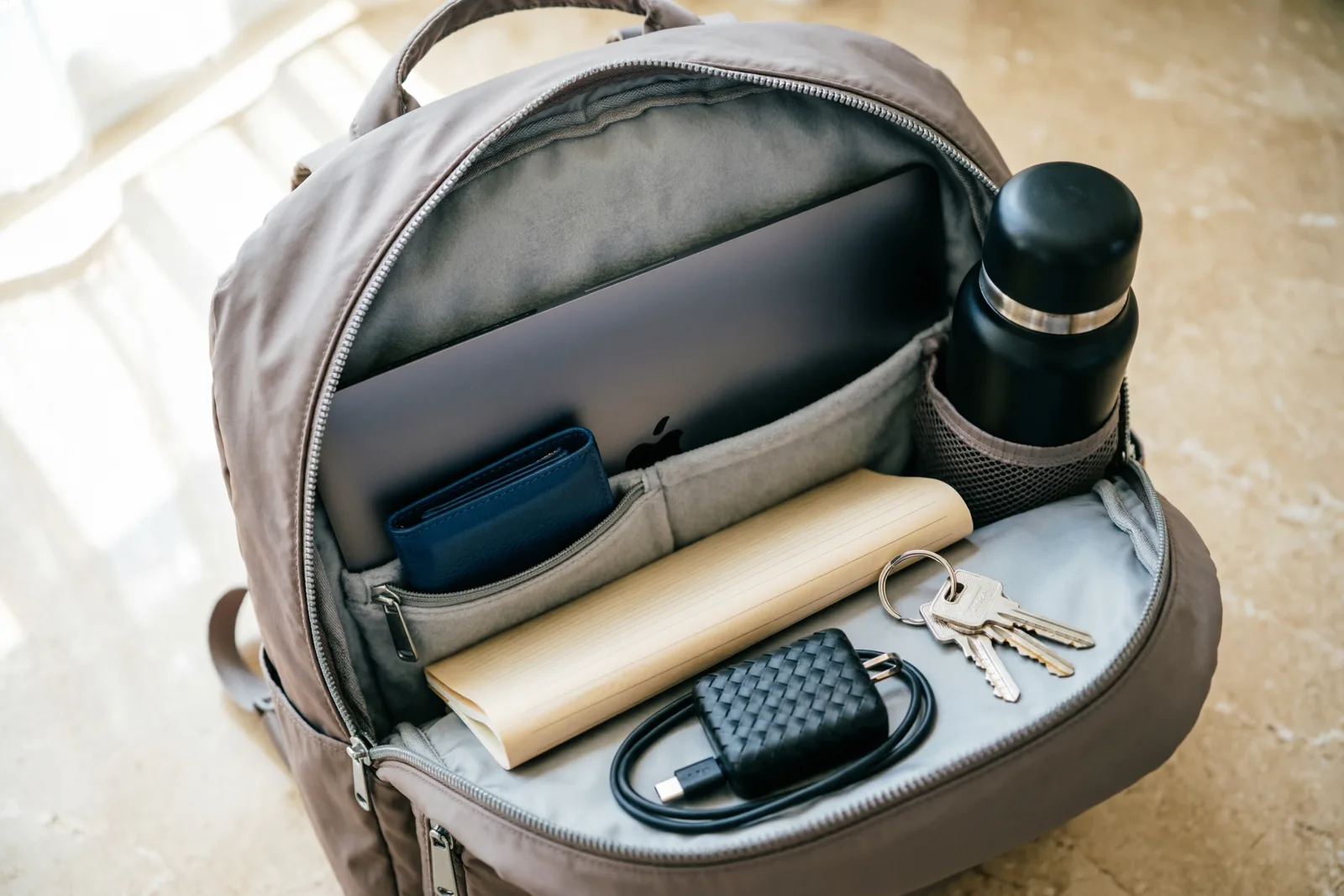
If you regularly carry a laptop or tablet, confirm that the bag features a dedicated padded sleeve with a false bottom (which prevents the device from hitting the floor when set down). Look for structured compartments for power adapters, tech cables, documents, and an insulated water bottle pocket to keep condensation away from electronics.
For Everyday Errands & City Life
For casual coffee meetups, farmers markets, or errands, a compact 10-to-14 litre backpack is ideal. It holds your phone, wallet, cosmetics pouch, keys, sunglasses, and a water bottle without feeling bulky. A structured mini pack looks elevated and pairs effortlessly with blazers, trench coats, or denim.
For Weekend Travel & Overnight Getaways
Travel calls for capacity between 20 and 28 litres, clamshell openings for suitcase-style packing, trolley sleeve attachments for rolling luggage, and hidden anti-theft passport pockets placed against your back.
Top Backpacks Tips for Getting the Right Size and Fit
A backpack can boast incredible organizational features and still cause fatigue if its proportions don't match your torso and shoulders. Start with fit before aesthetic extras.
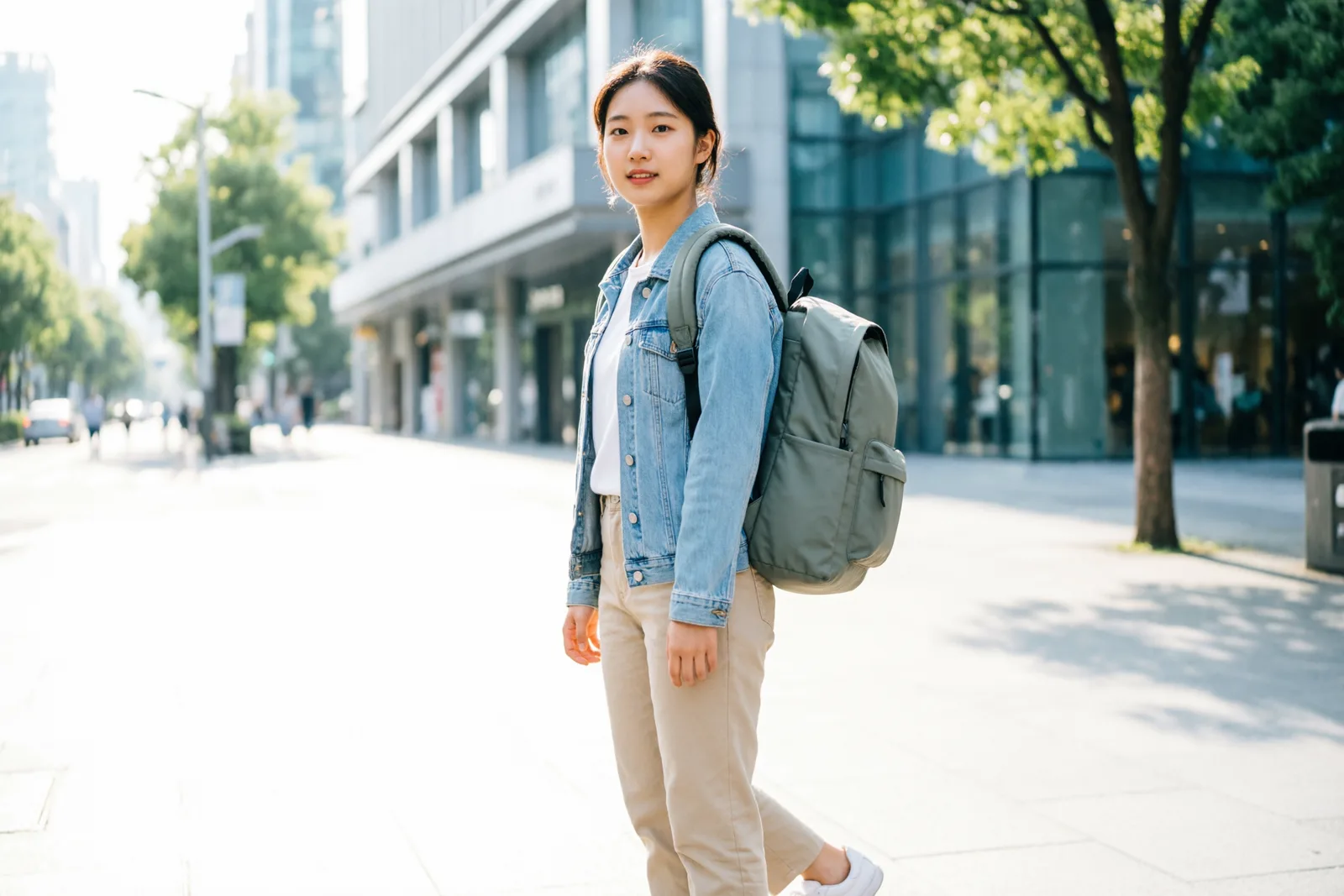
1. Shoulder Strap Ergonomics
Look for curved, padded shoulder straps that distribute pressure across your collarbones rather than digging into the sides of your neck. For heavier loads, breathable mesh backing prevents sweat buildup and chafing against delicate fabrics like silk or fine knitwear.
2. Proportions & Torso Length
An oversized bag tends to hang too low, pulling your center of gravity backward and straining your lower lumbar spine. The bottom of your backpack should rest against the curve of your lower back, well above your hips.
3. Packed Weight vs. Tare Weight
Always consider the empty weight of the backpack before adding a single item. Structured heavy leathers and thick metal hardware can weigh 1.5 kg before you even insert a laptop and water bottle. High-density water-resistant nylon, coated canvas, or lightweight technical textiles keep initial weight minimal.
The 10% Bodyweight Guideline
Physical therapists recommend that a daily commuter backpack not exceed 10% of your total body weight. If your bag weighs 60 kg, your fully packed bag should ideally remain under 6 kg.
Which Backpack Features Are Actually Worth Prioritising?
Extra features are only valuable when they align with your daily routine. Excess zippers, exterior bungee cords, and excessive pockets add unnecessary weight and visual clutter.
The Features That Truly Matter
- Suspended Laptop Sleeve: Ensure the sleeve is raised slightly above the bottom of the bag to cushion against drops.
- Dedicated Bottle Pocket: Exterior elasticized or zip-flat side pockets prevent accidental water spills near your tech.
- Top Quick-Access Pocket: A discreet fleece-lined or zip pouch at the top of the pack gives fast access to keys, lip balm, and transit cards.
- Secure Dual Zippers: Sturdy YKK metal or coil zippers with pull tabs that allow smooth, one-handed opening while the bag is slung over one shoulder.
Choosing the Right Capacity
| Backpack Type | Volume (Litres) | Fits Tech | Best Suited For |
|---|---|---|---|
| City Mini Pack | 8 – 12 L | Tablet / Kindle | Casual weekends, dinners, minimal daily carry |
| Commuter Slim Pack | 14 – 18 L | Up to 14" Laptop | Office work, campus classes, urban commuting |
| Daypack & Work Pro | 18 – 22 L | Up to 16" Laptop | Tech gear, gym change of clothes, lunch box |
| Travel Weekender | 24 – 30 L | 16" Laptop + Clothes | 2–3 day trips, carry-on flight travel, heavy gear |
Stylish Backpack Guide: Balance Design with Everyday Function
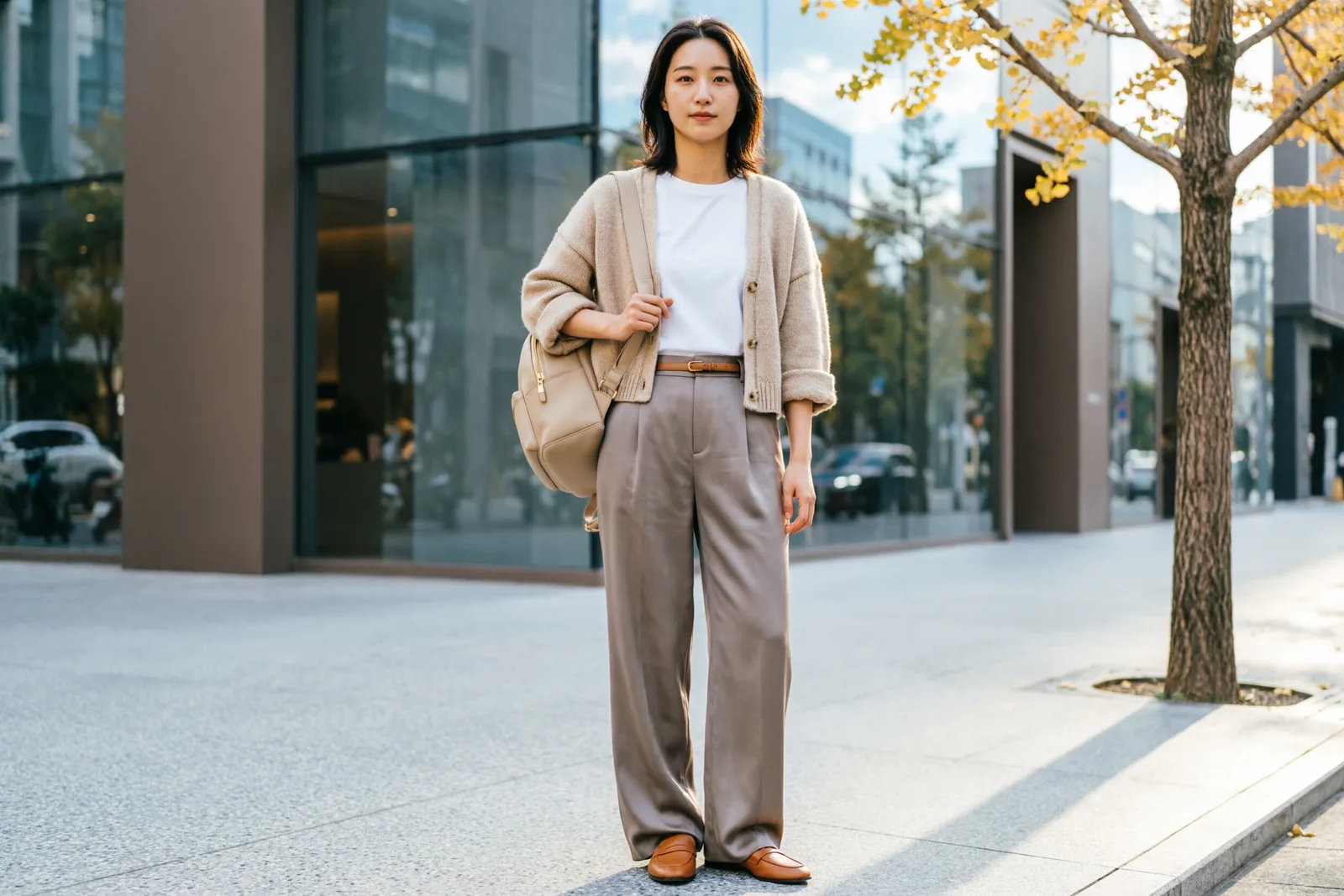
A backpack is a major visual element of your outfit. The goal is finding a design that complements your personal wardrobe while delivering the functionality you rely on every day.
Minimalist Silhouettes for Versatility
Clean, architectural lines in smooth matte nylon, recycled twill, or fine pebbled leather integrate naturally into corporate boardrooms and relaxed cafes alike. Avoid excessive logos or tactical webbing if you want a bag that complements tailoring.
Choosing the Right Color Palette
- Classic Black & Charcoal: The ultimate commuter staples—stain-resistant, sleek, and timeless.
- Rich Earth Tones (Tan, Camel, Olive, Espresso): Add warmth and textural luxury to camel coats, linen shirts, and denim.
- Soft Neutrals (Stone, Taupe, Muted Slate): Look sophisticated for summer and spring, though they may require occasional spot cleaning.
Check Hardware Tone
Coordinate the metal finish on your backpack zippers with your go-to jewellery and handbag hardware (e.g., brushed brass for warm palettes, chrome/gunmetal for cool tones) for an effortless, unified aesthetic.
Conclusion
The ideal backpack balances what you carry, how long you wear it, and your personal sense of style. Use this backpack buying guide to evaluate real measurements, ergonomic straps, secure device protection, and weather resistance before buying.
When you choose a backpack built around your actual daily movement, carrying your world with you ceases to feel like a chore—it becomes an effortless, hands-free pleasure.
Frequently Asked Questions
How do I know if a backpack is too big for daily use?
If you regularly use only a fraction of the interior space and items sink to the bottom in an unruly pile, the pack is oversized for your daily routine. A properly sized backpack should hold your daily essentials comfortably with roughly 15–20% breathing room to spare.
Should a backpack sit high or low on the back?
A backpack should always sit snug against your upper and mid-back. The top of the bag should align close to your shoulder level, and the bottom should never hang below your lumbar curve. Letting a backpack sag down toward the buttocks creates leverage that pulls on your neck and shoulders.
Are more backpack compartments always better?
Not necessarily. Too many compartments add dead weight, bulk up the silhouette, and make it easy to misplace small items across dozens of zip pockets. A clean layout with three to four designated zones—a padded laptop compartment, a roomy main chamber, an exterior bottle pocket, and a secure quick-access pouch—is significantly easier to navigate.
What colour backpack is easiest to style regularly?
Black, espresso brown, charcoal, and deep navy are the easiest colours to integrate seamlessly into a diverse year-round wardrobe. If you prefer lighter neutrals, warm taupe or olive offer great versatility without showing every speck of dirt.
What should I check when buying a backpack online?
Always verify the internal laptop pocket dimensions (not just exterior bag dimensions), empty weight in kilograms/pounds, shoulder strap width and padding, zipper hardware quality, and the return/exchange policy in case the torso fit feels uncomfortable in person.
Related Articles
Explore more insights and stories from this category.
How to Wash Pleated Clothes Without Losing Their Shape
Learn how to wash pleated clothes gently, from checking care labels to drying without damage. Find out how to wash a pleated dress and protect its folds.
How to Style a Plus-Size Pleated Skirt: Outfit Ideas
Learn how to style a skirt with plus-size pleated outfit ideas for work, weekends and parties. See how to wear a skirt with the right tops and shoes.